
Building Sustainable Infrastructure for Tomorrow through Innovation and Excellence
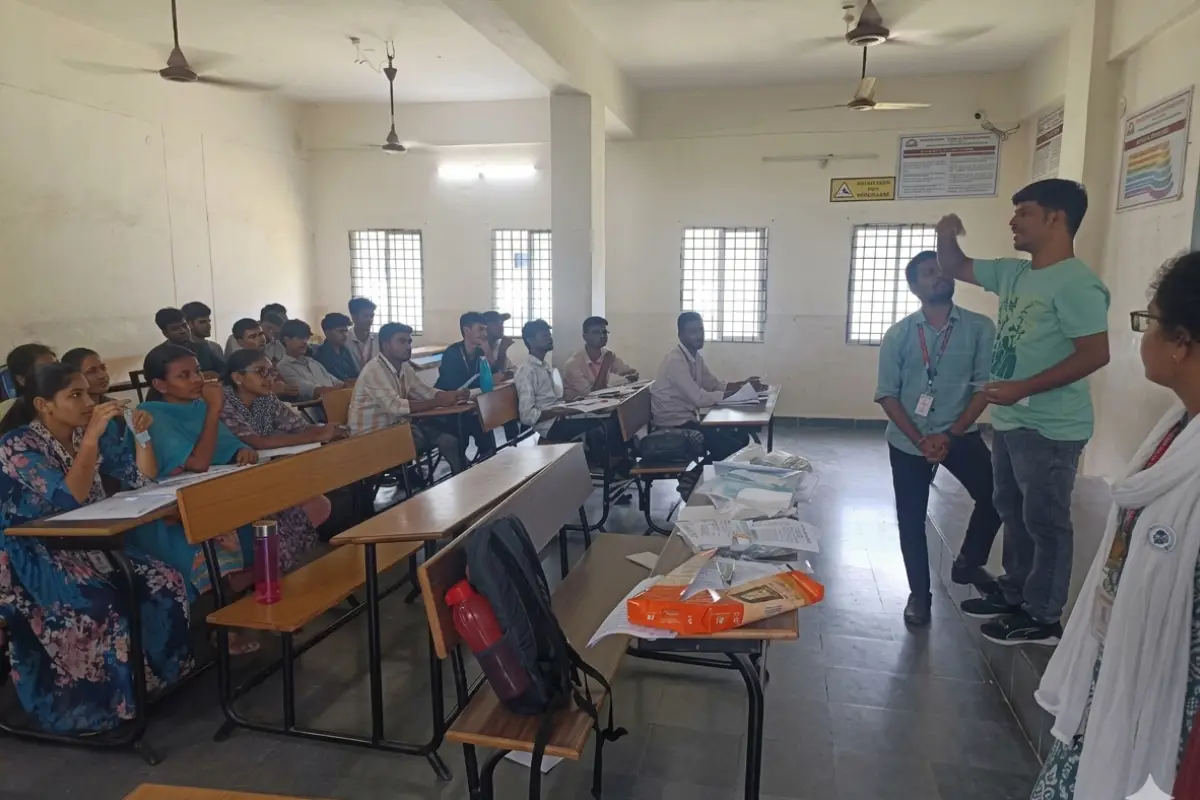
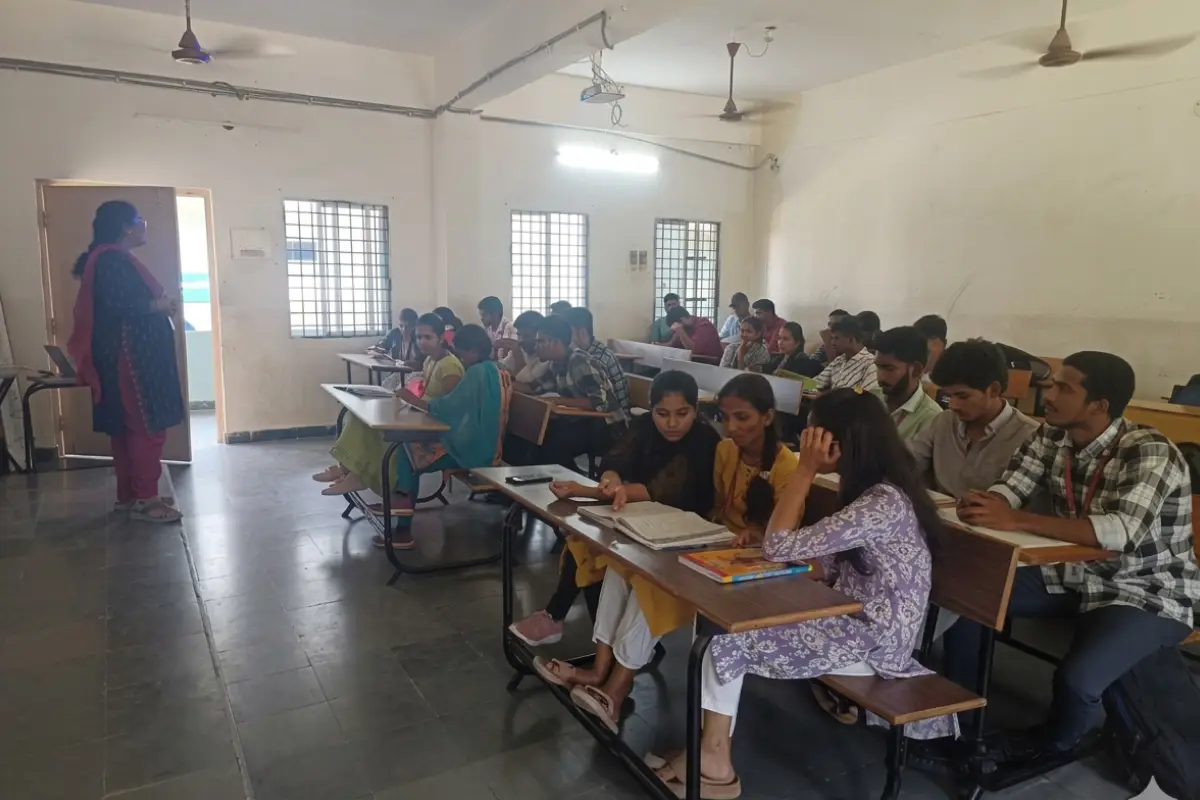
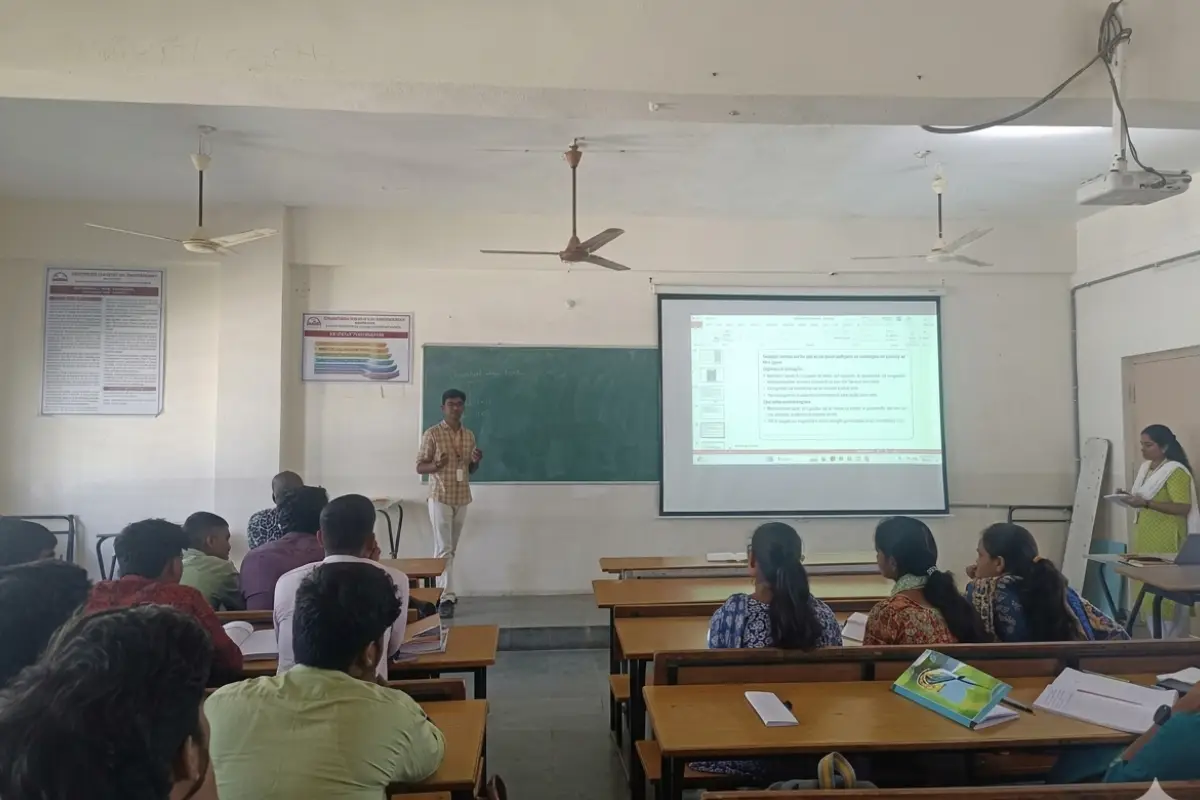
The department follows a student-centered learning approach that places learners at the core of the teaching–learning process. Emphasis is given to active classroom participation, continuous mentoring, collaborative learning, and learner autonomy to promote deeper understanding and critical thinking. These practices encourage students to take responsibility for their learning while receiving consistent academic guidance and support, thereby enhancing overall learning effectiveness.
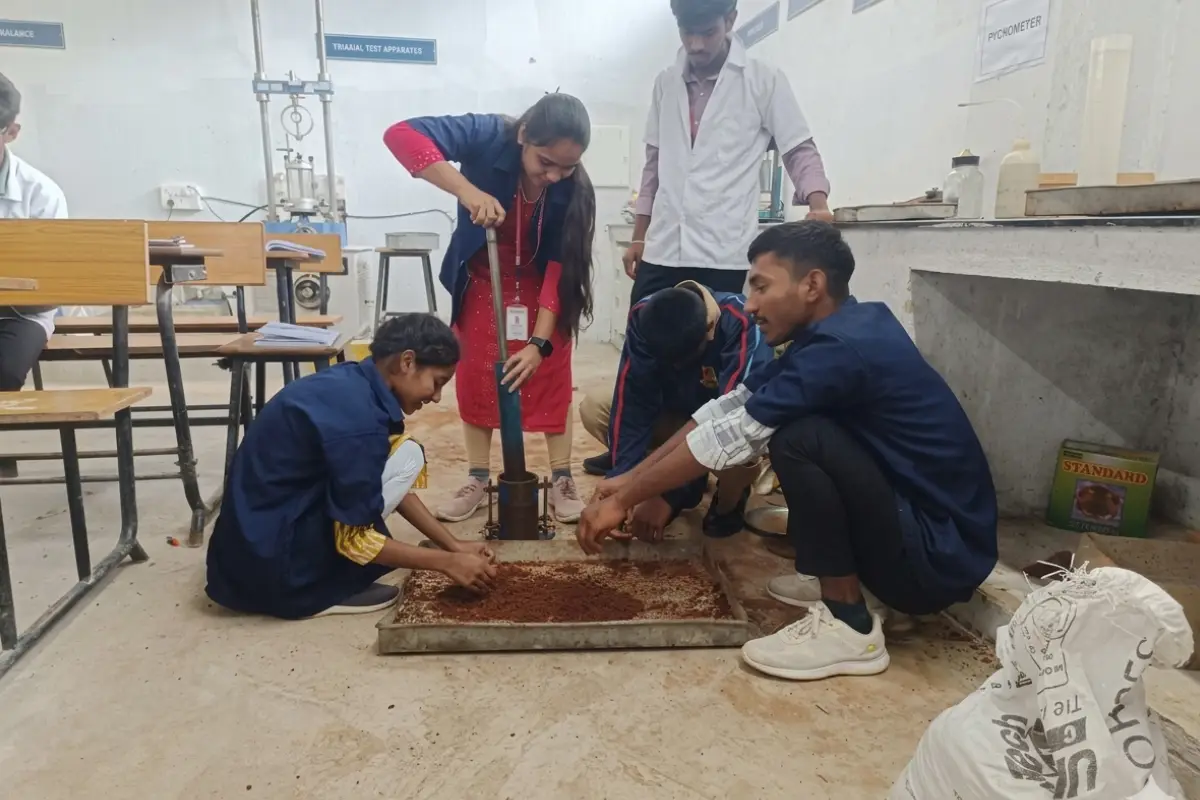
The Department of Civil Engineering follows a structured teaching–learning process that emphasizes student-centered learning, outcome-oriented education, and practical skill development. The department adopts effective instructional practices that promote active engagement, conceptual clarity, and continuous academic improvement.
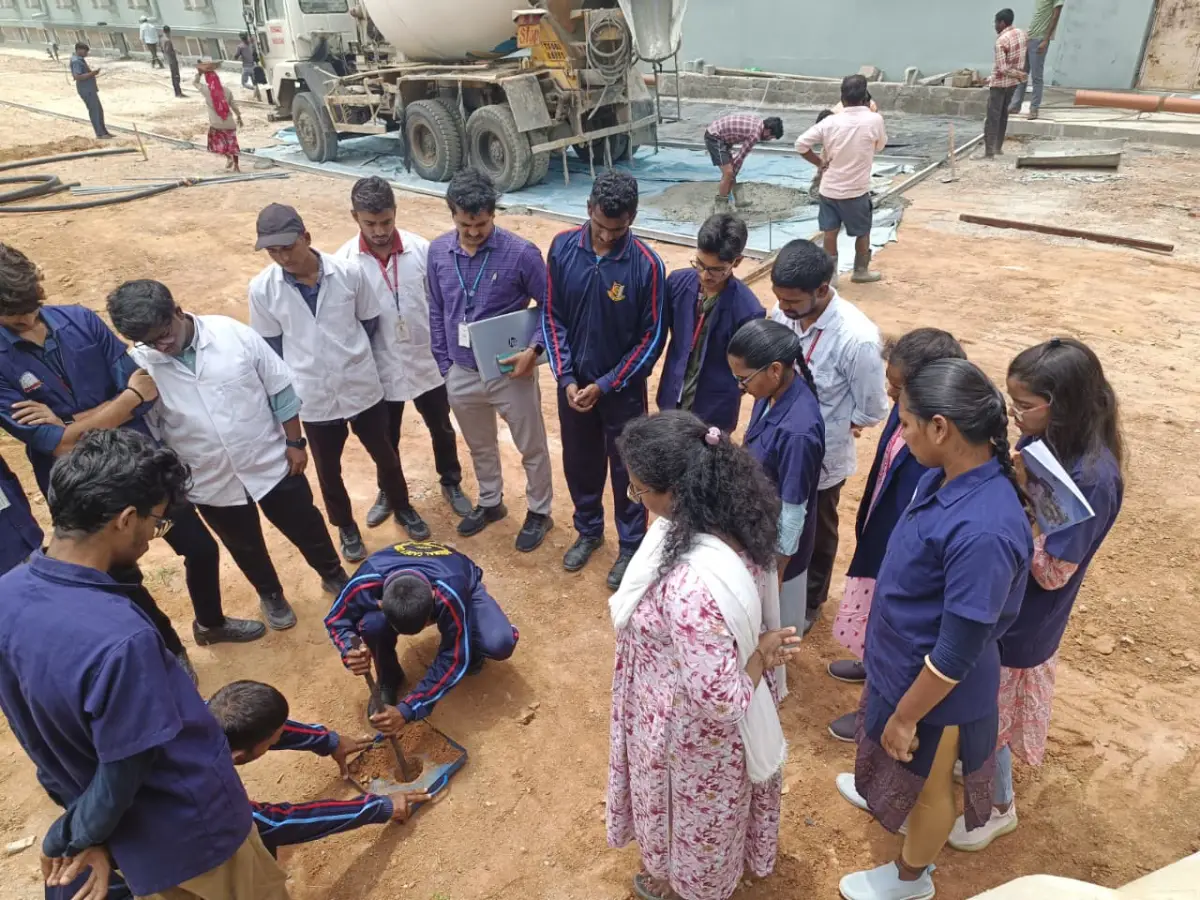
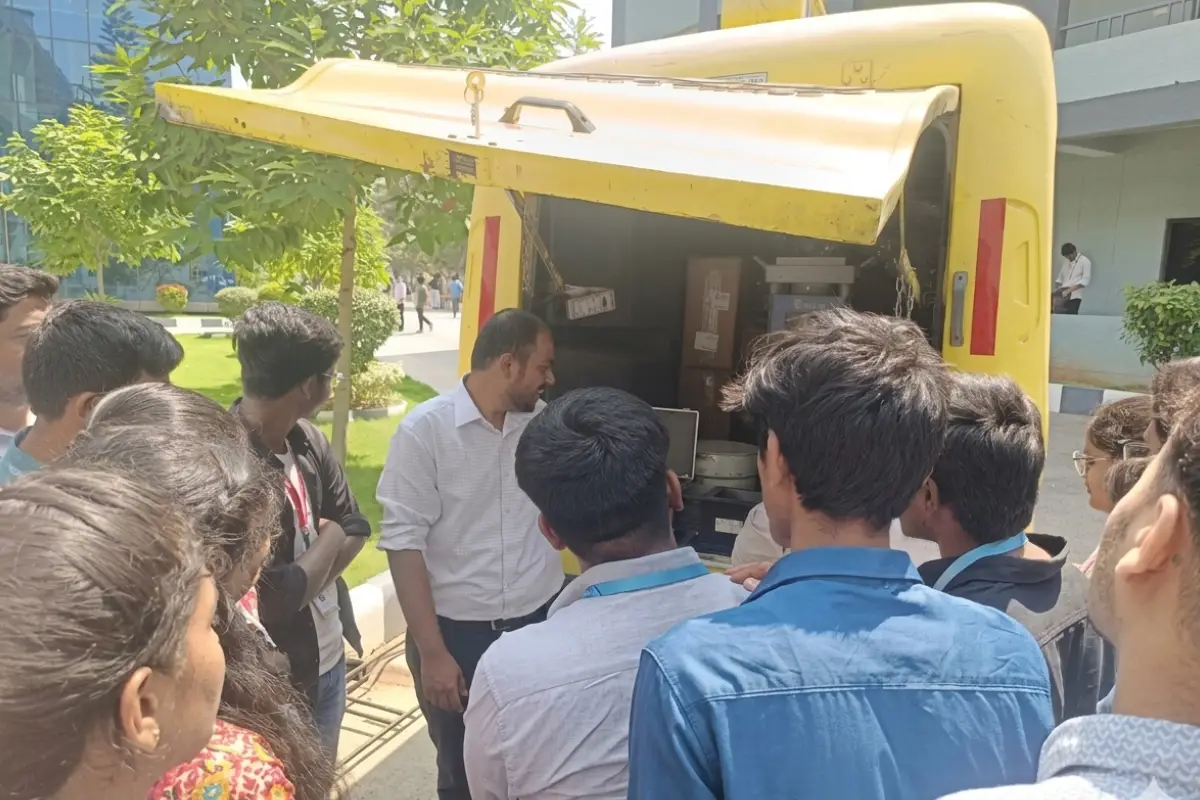
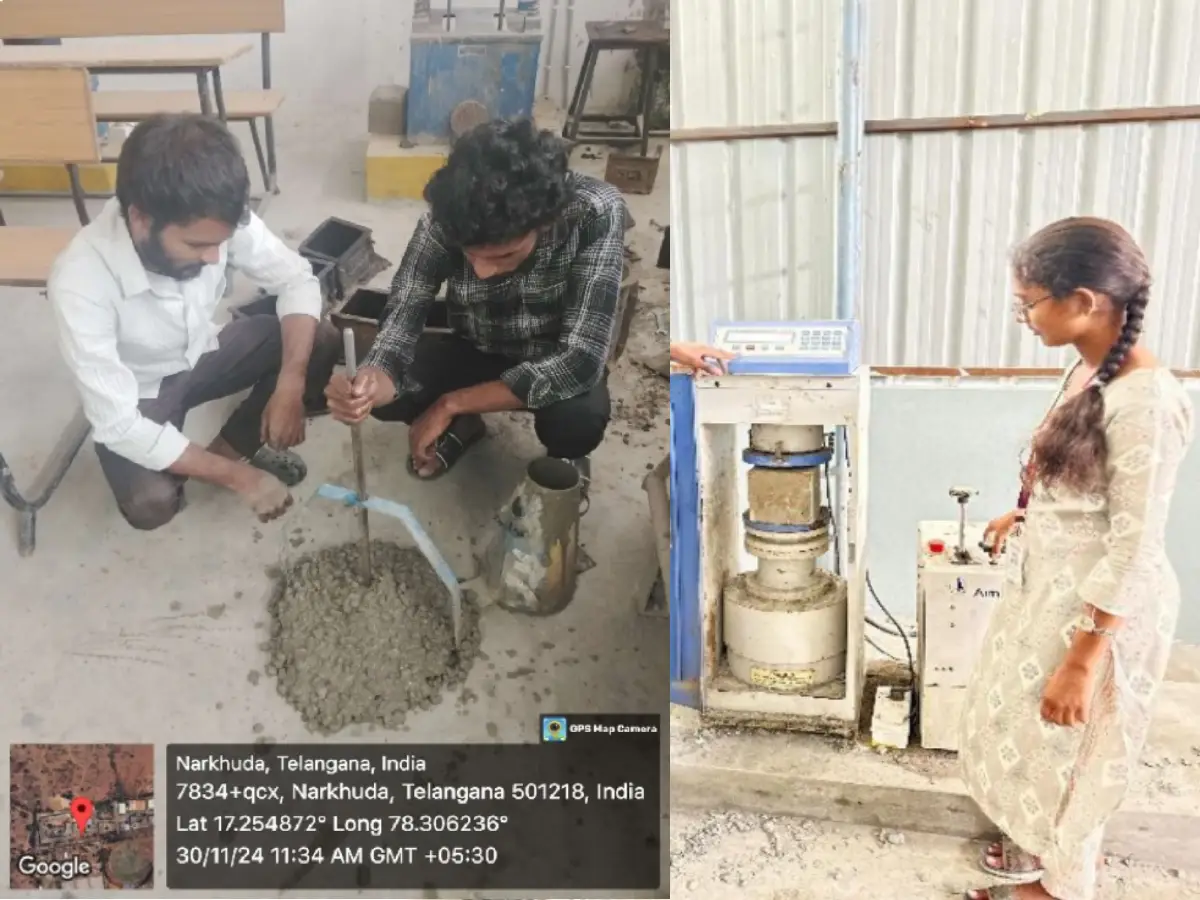
The teaching–learning process integrates innovative teaching methodologies, Outcome-Based Education (OBE), value-added courses, online learning platforms, field-based learning, and project-based learning. These practices collectively aim to enhance technical competence, professional skills, lifelong learning abilities, and readiness to address industry and societal needs.
Innovative teaching–learning methodologies are adopted to enhance student competencies and improve learning outcomes. A combination of modern pedagogical practices, interactive teaching strategies, and technology-enabled tools is integrated into regular instruction. These approaches encourage active participation, improve conceptual clarity, and strengthen the linkage between theoretical knowledge and practical application.
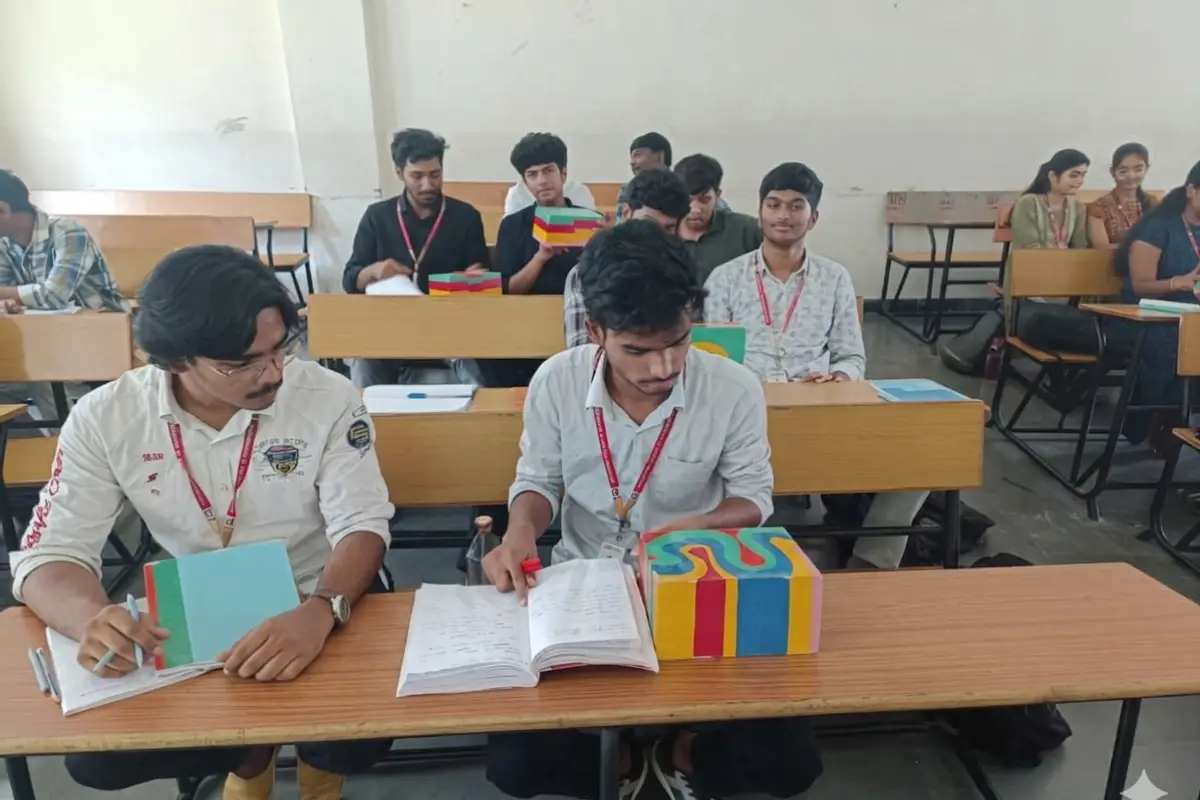
To bridge the gap between academic curriculum and industry requirements, the Department of Civil Engineering offers a series of Value Added Courses (VACs). These courses provide hands-on exposure to modern engineering tools, emerging technologies, sustainability practices, and professional competencies essential for employability and higher studies. The VACs are carefully structured so that students progressively build practical knowledge alongside theoretical learning.
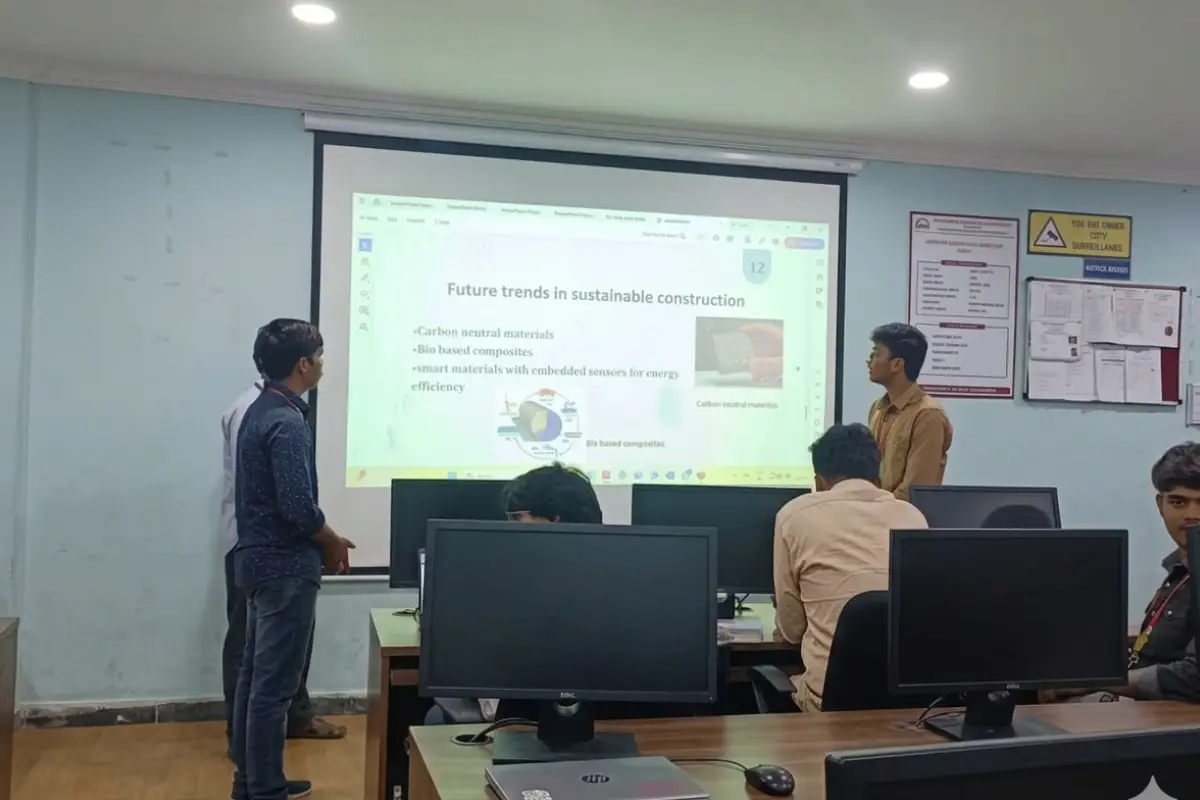
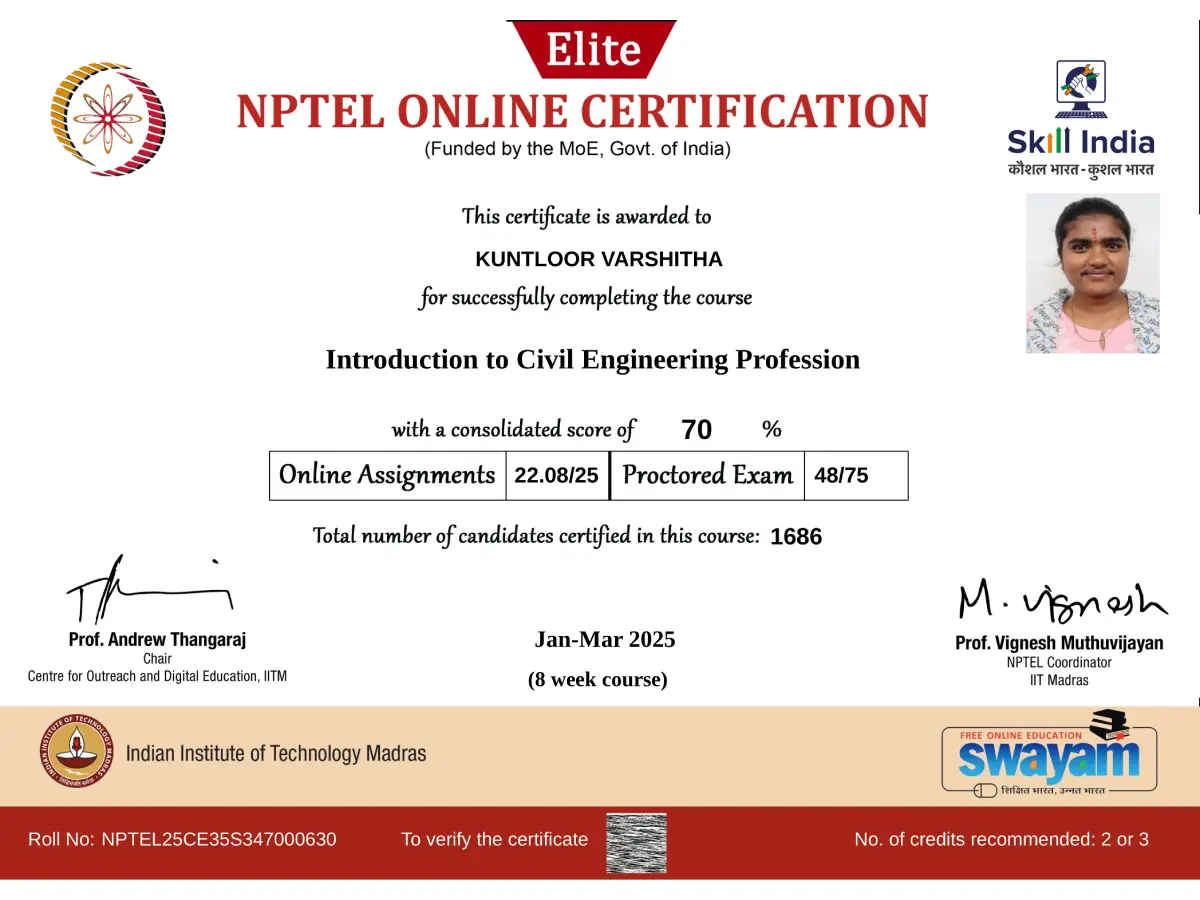
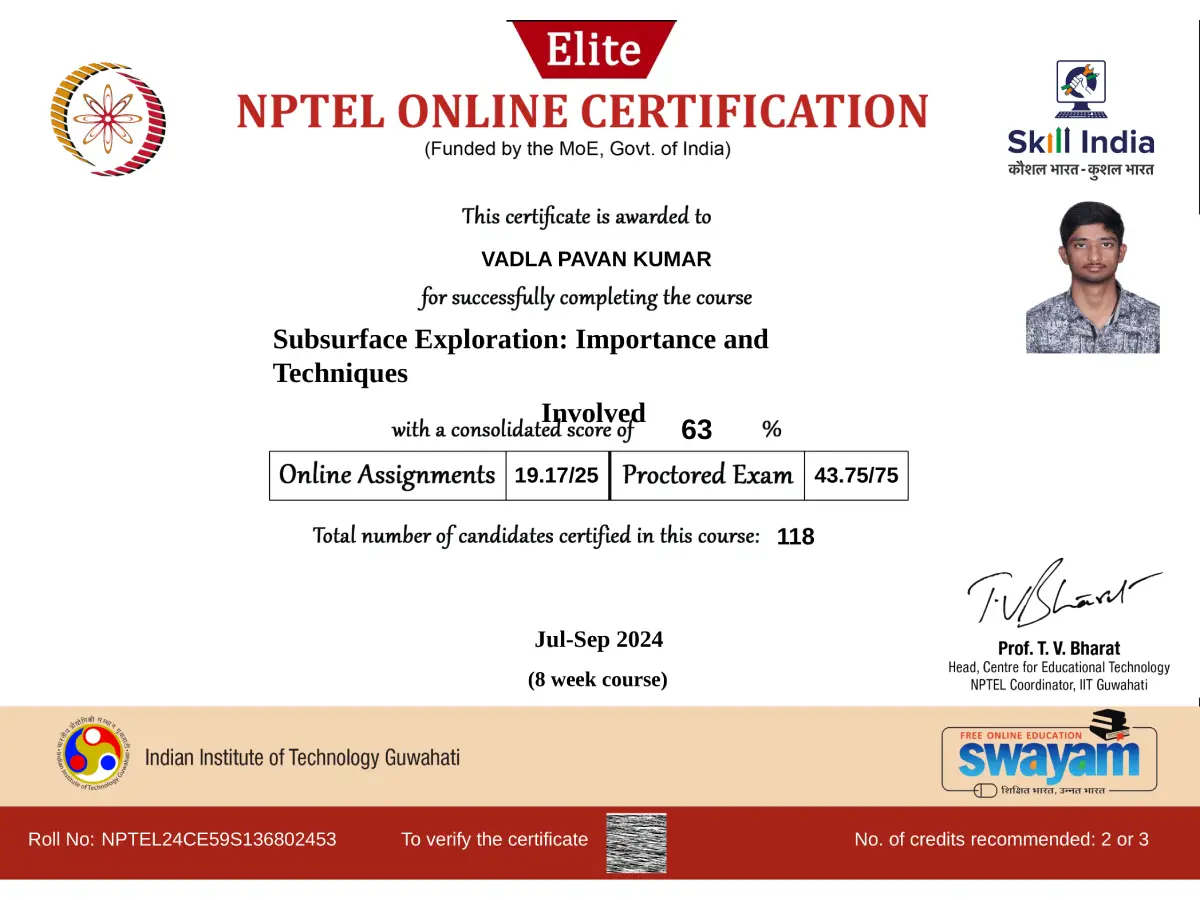
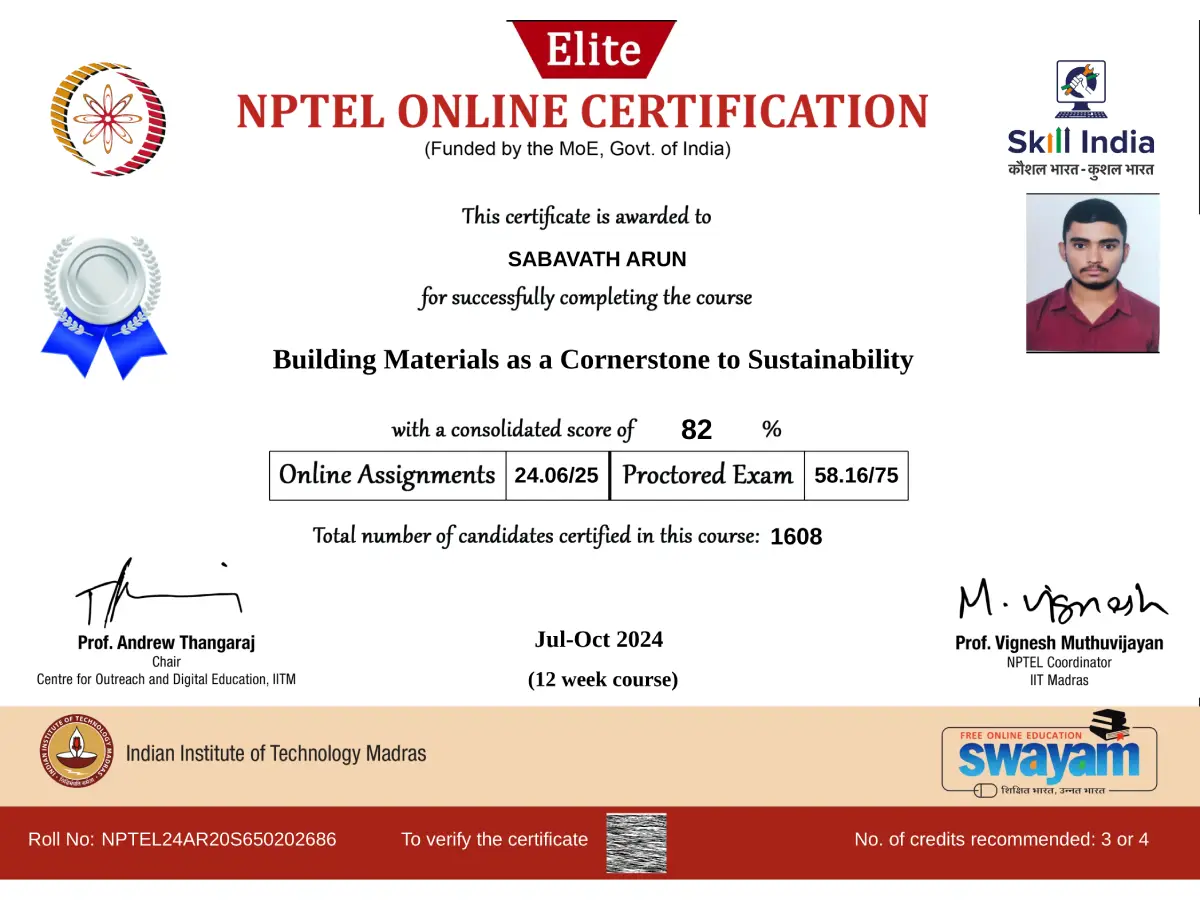
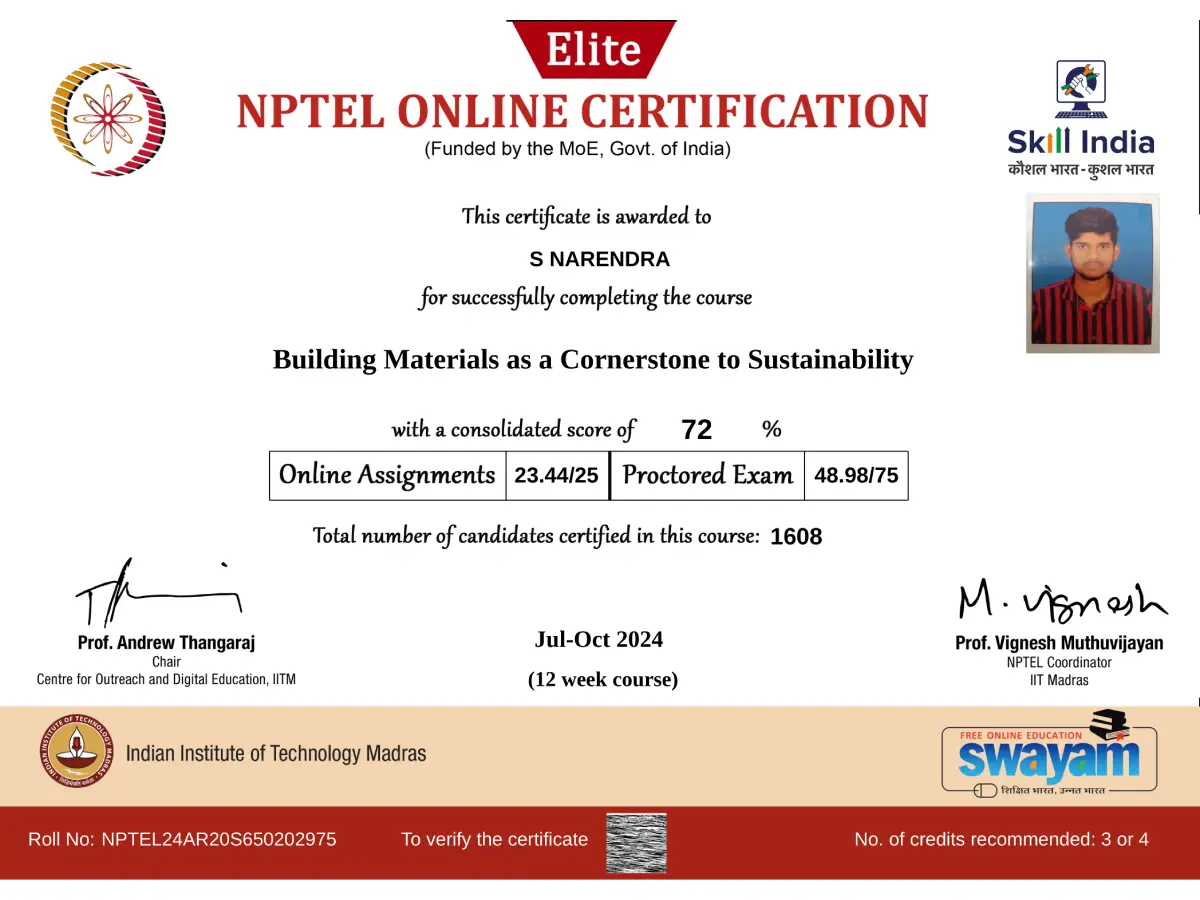
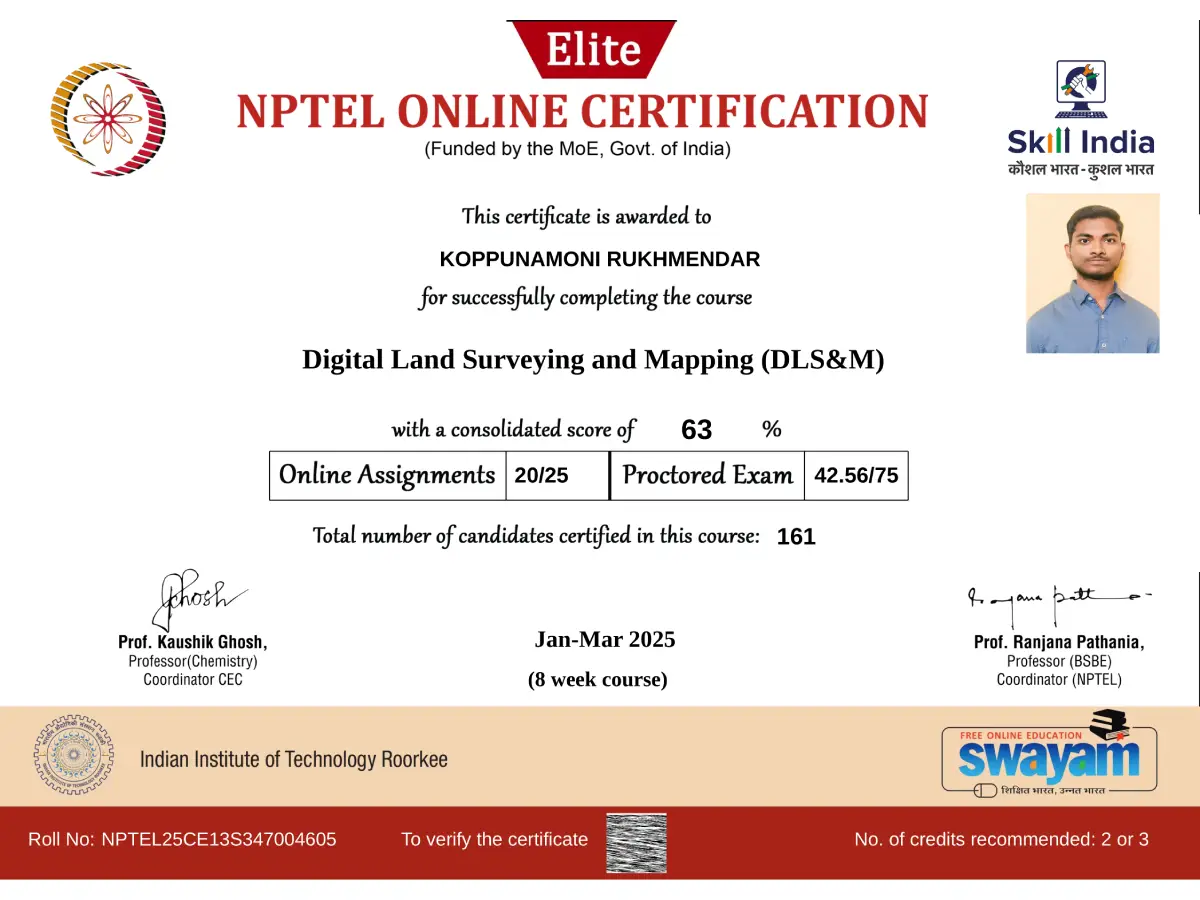
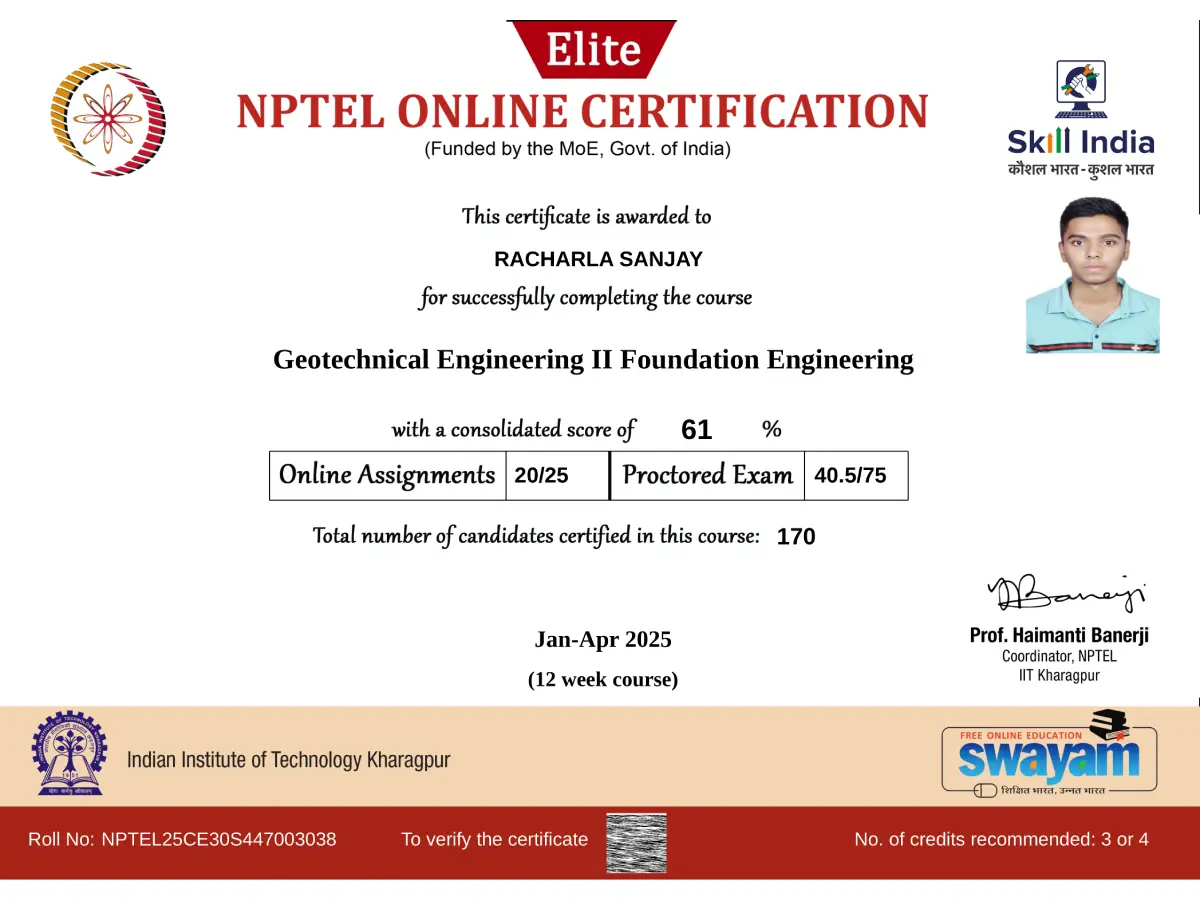
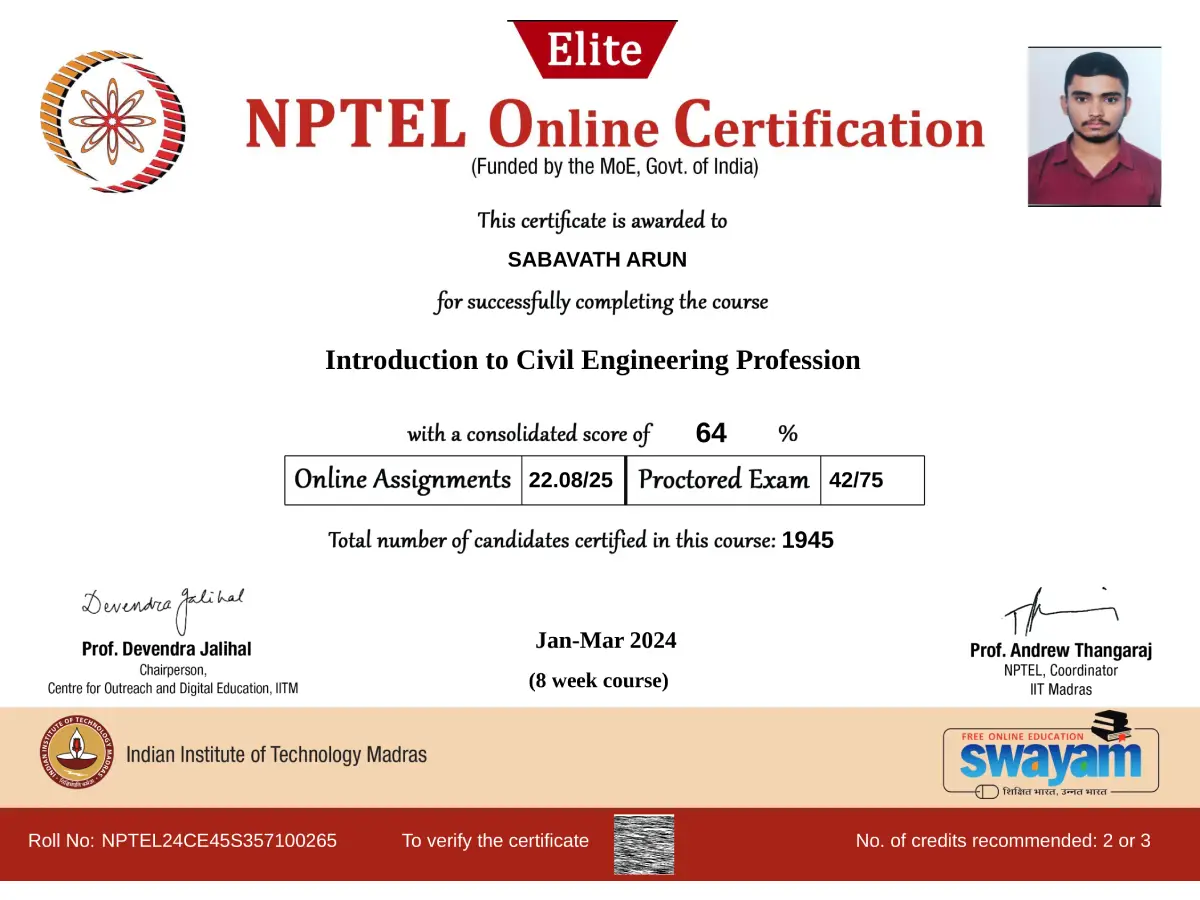
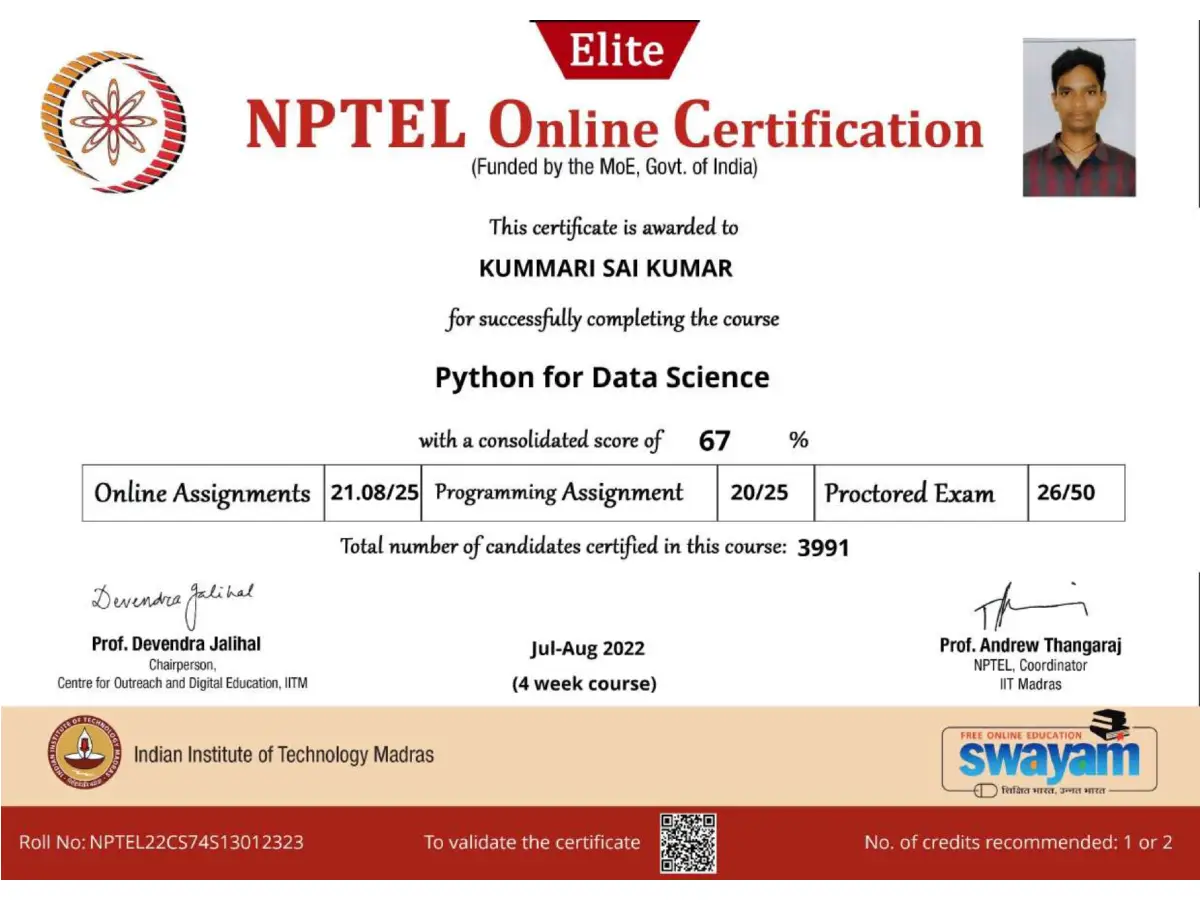
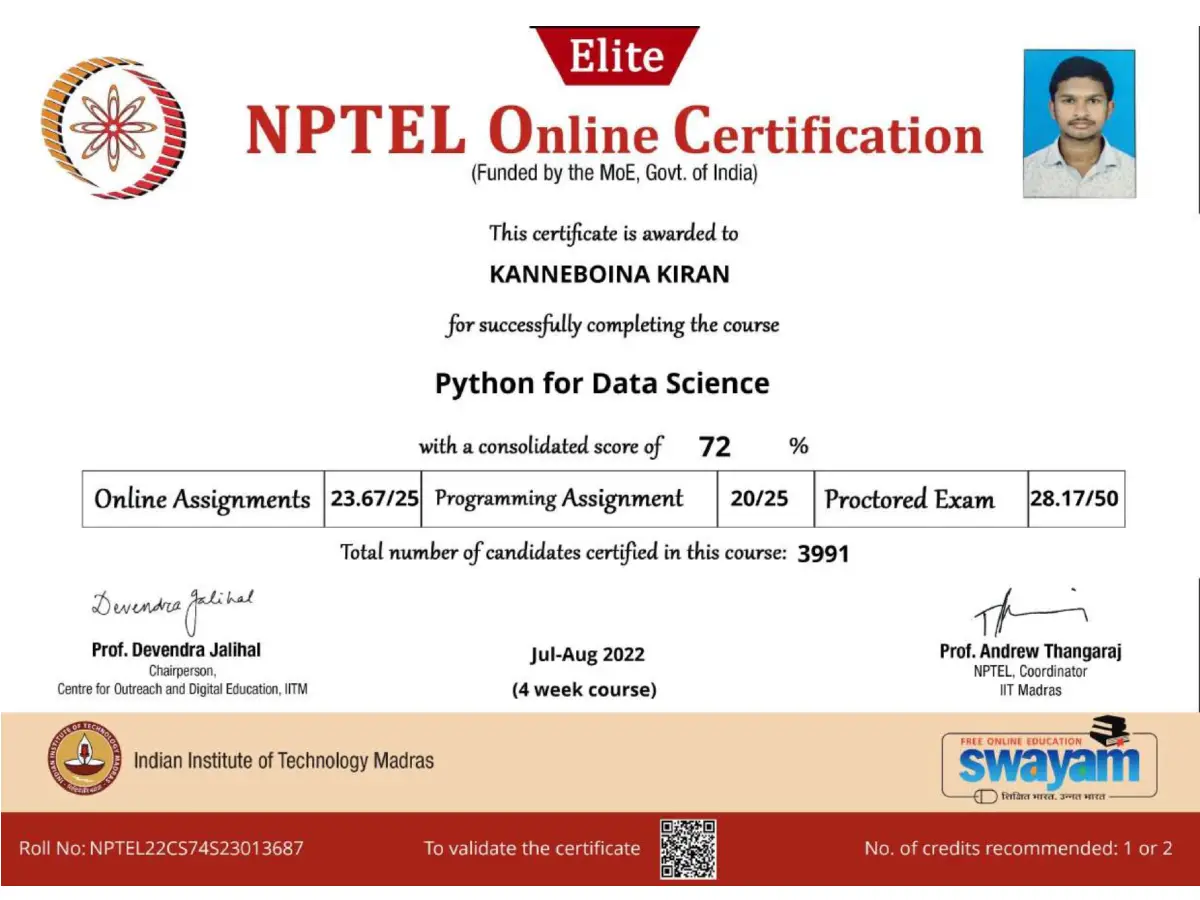
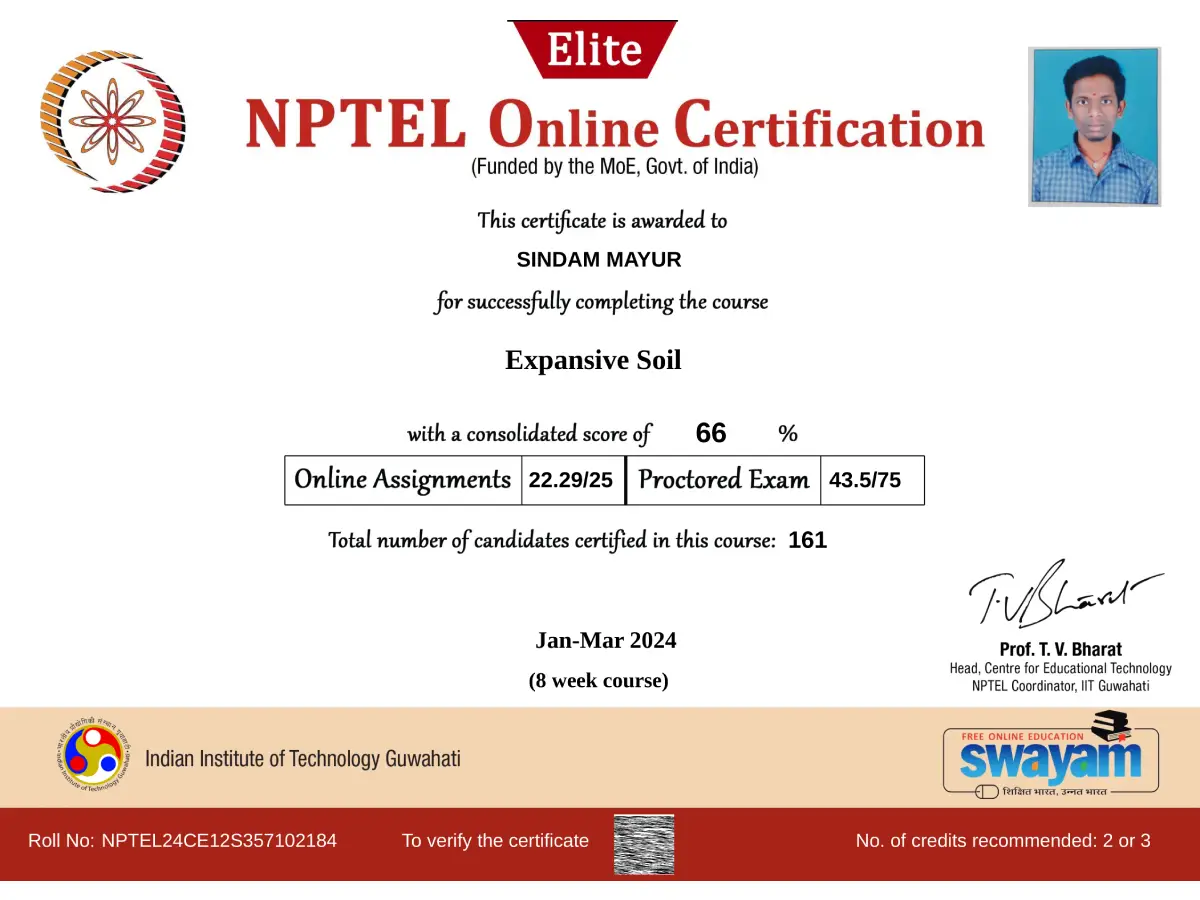
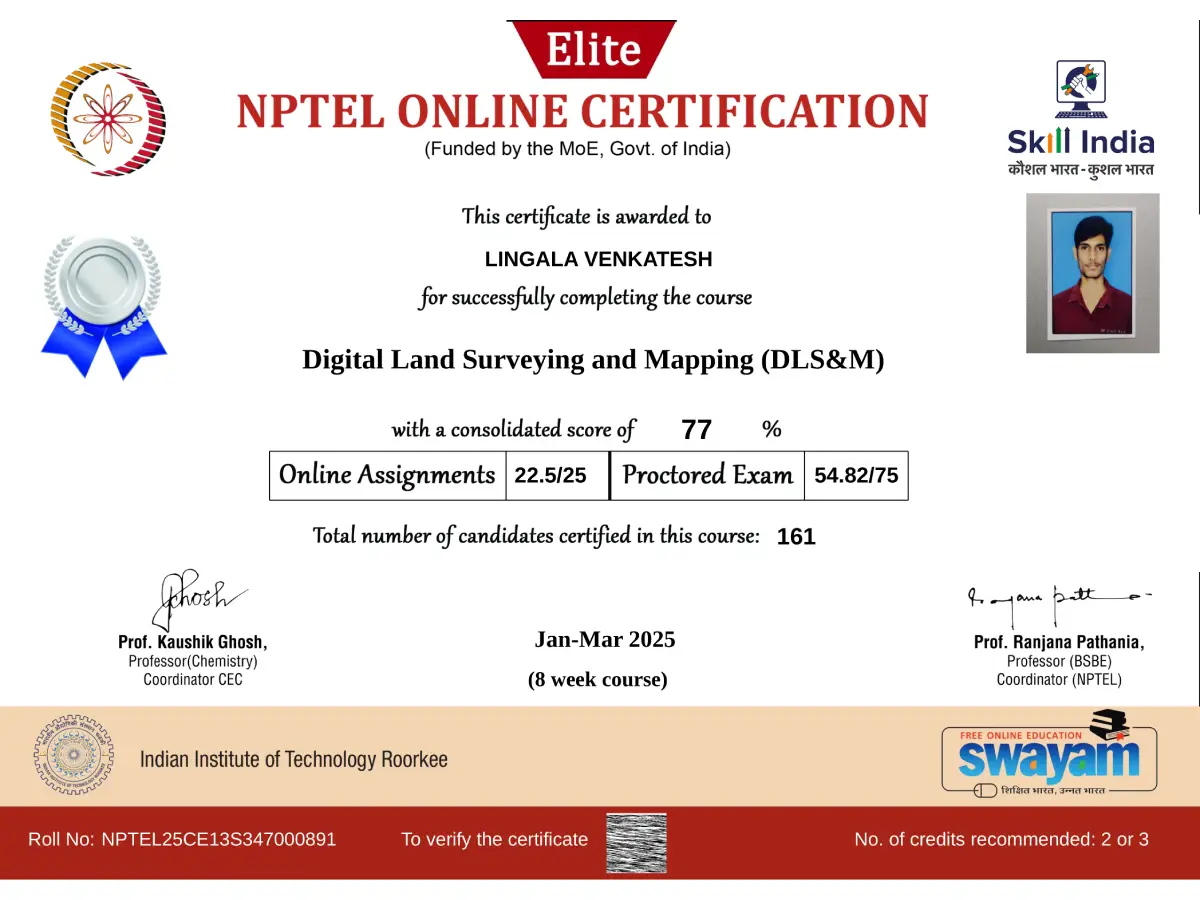
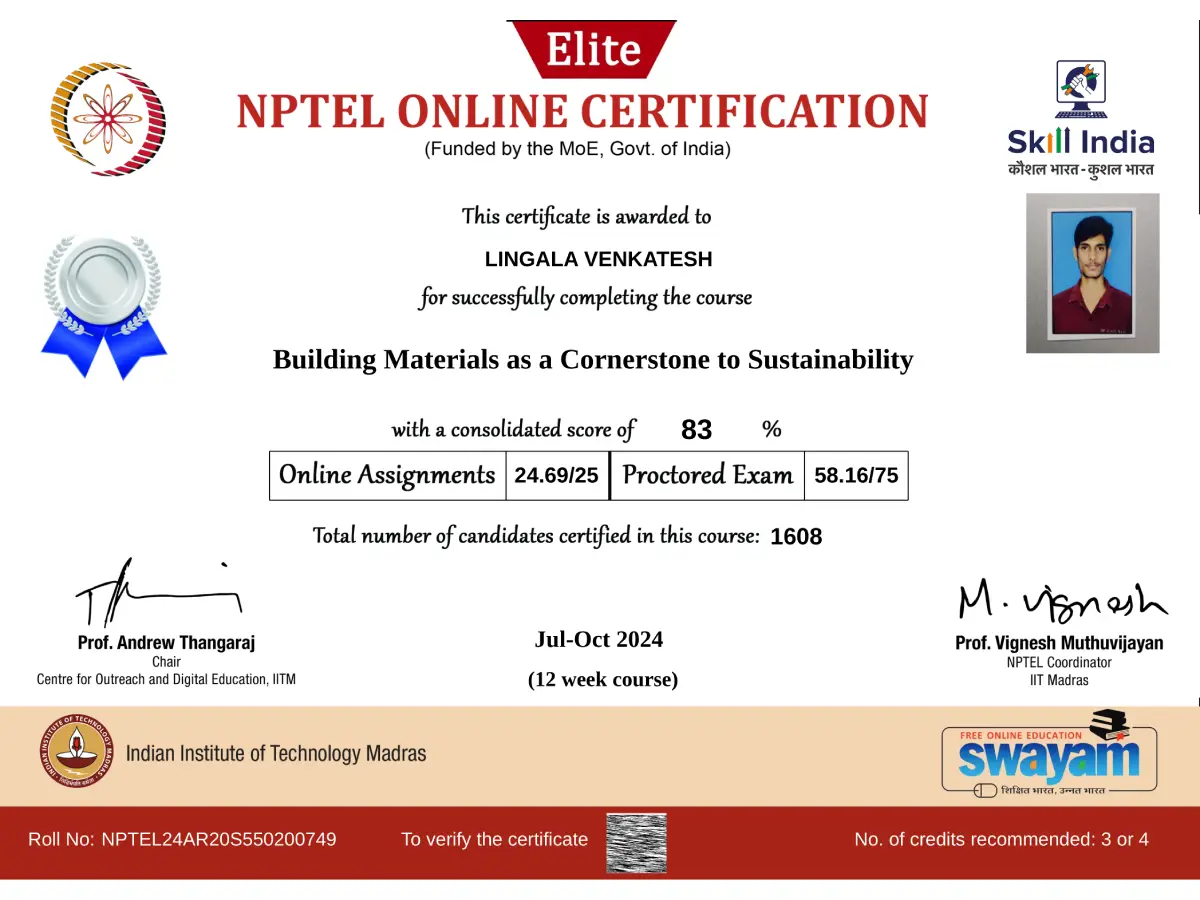
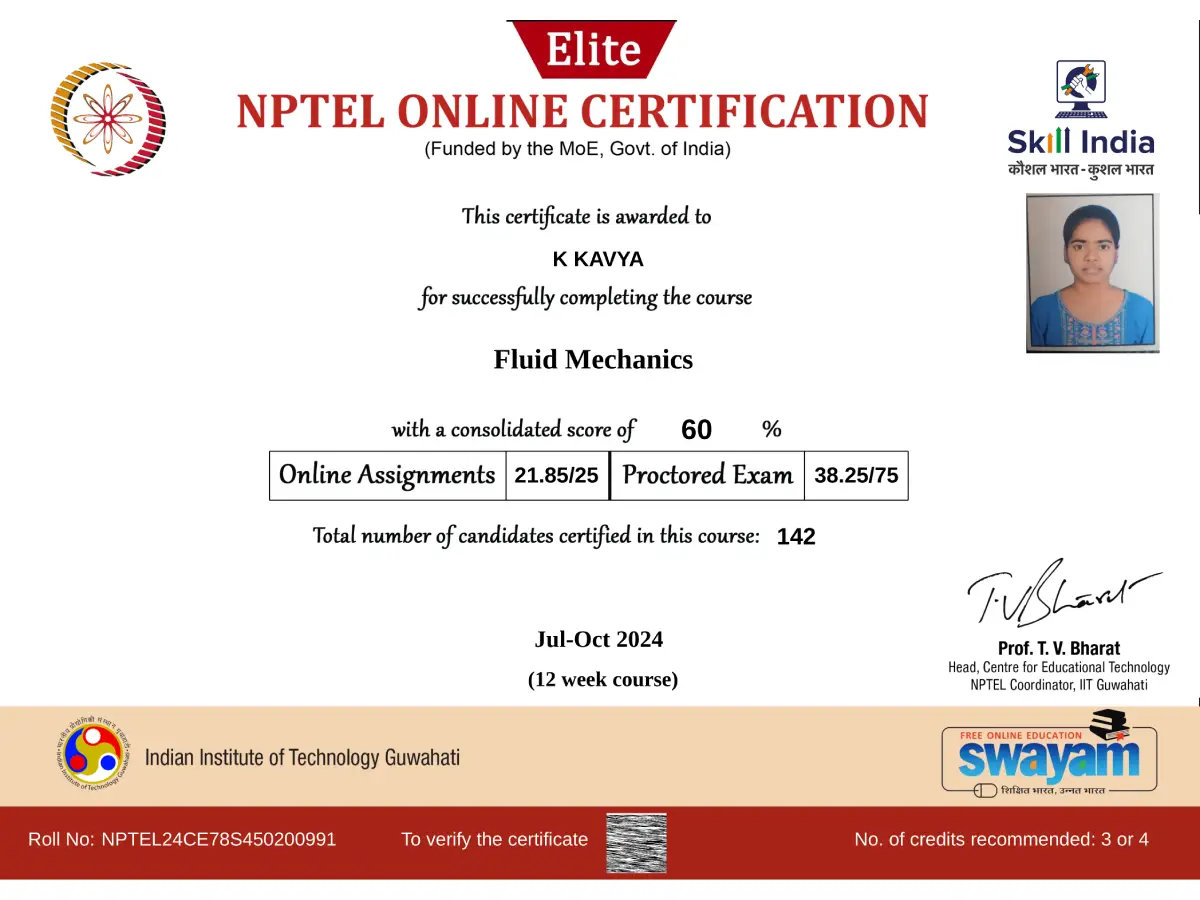
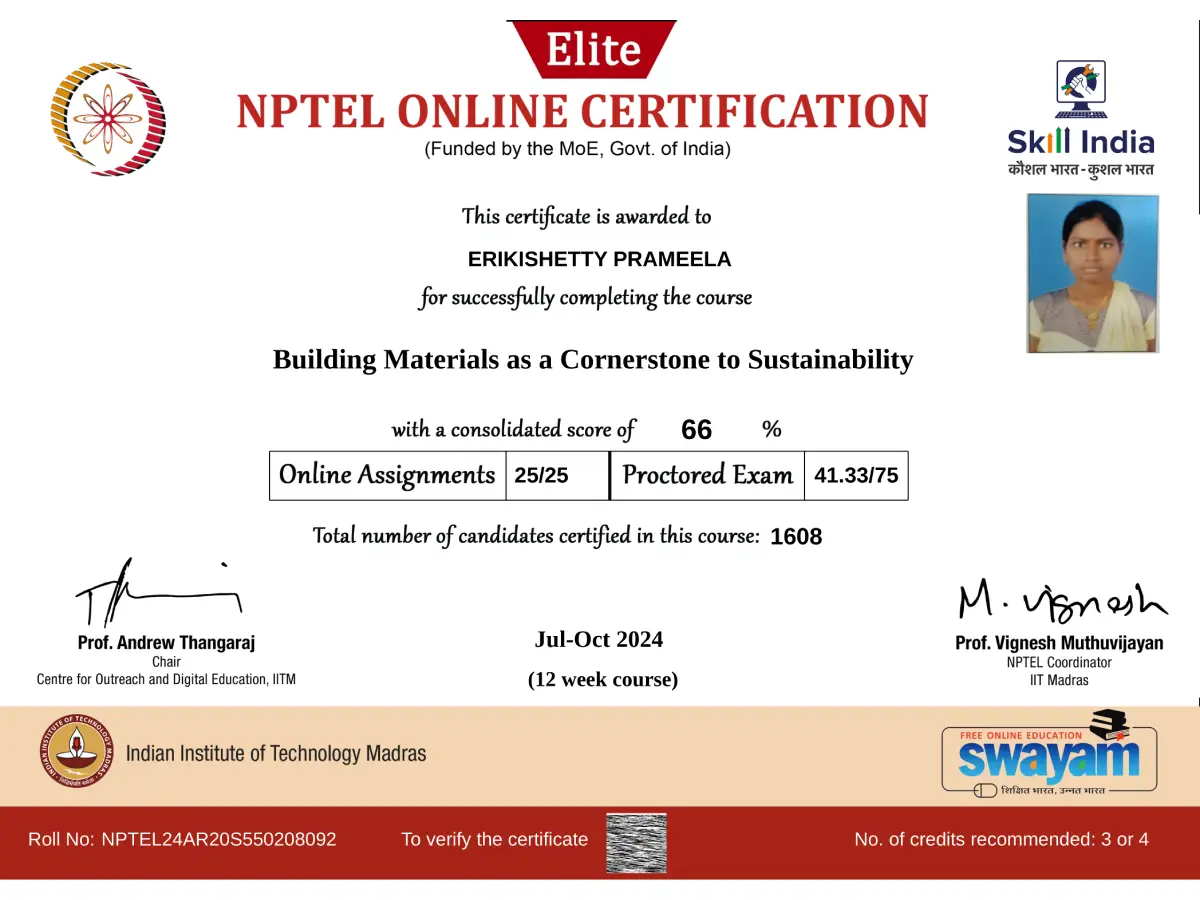
Participation in SWAYAM and other MOOCs is encouraged to complement classroom learning and promote self-paced and lifelong learning. These online courses provide flexibility in learning, allow learners to explore advanced and interdisciplinary topics, and offer access to high-quality academic content delivered by reputed institutions and subject experts. Such initiatives support independent learning and continuous professional development for both students and faculty.
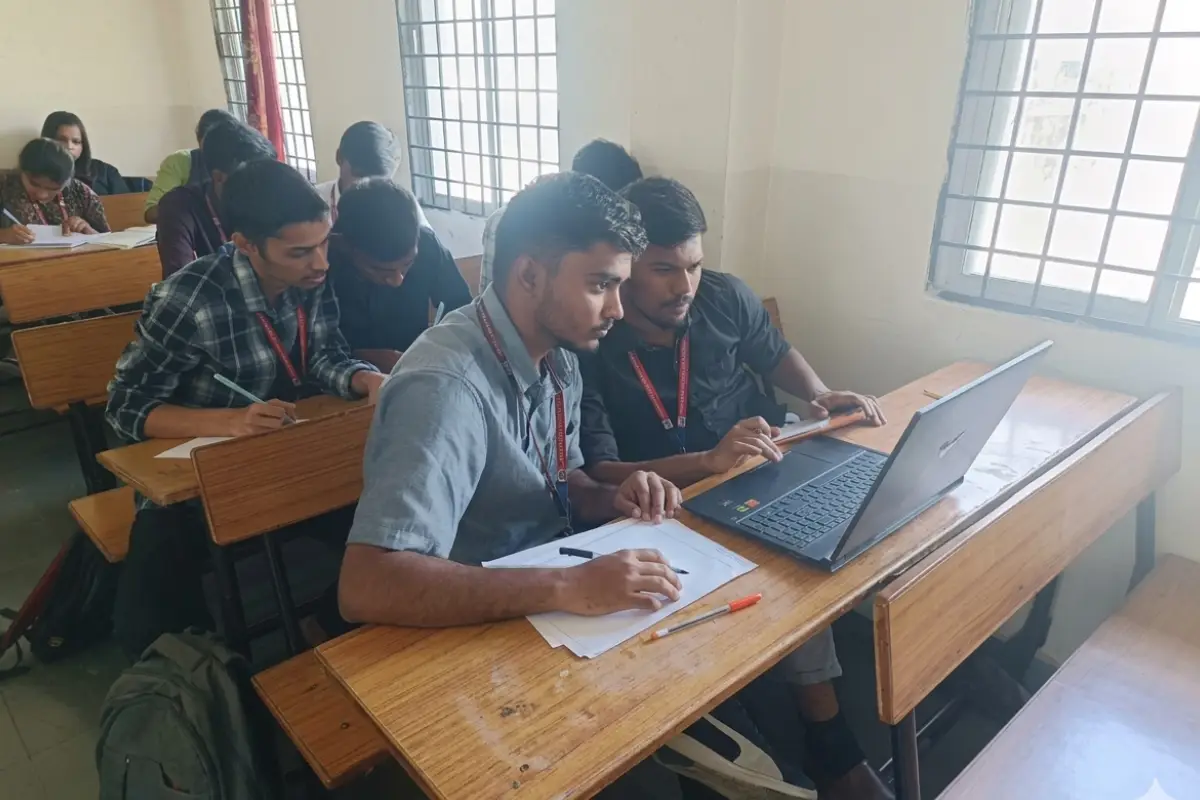
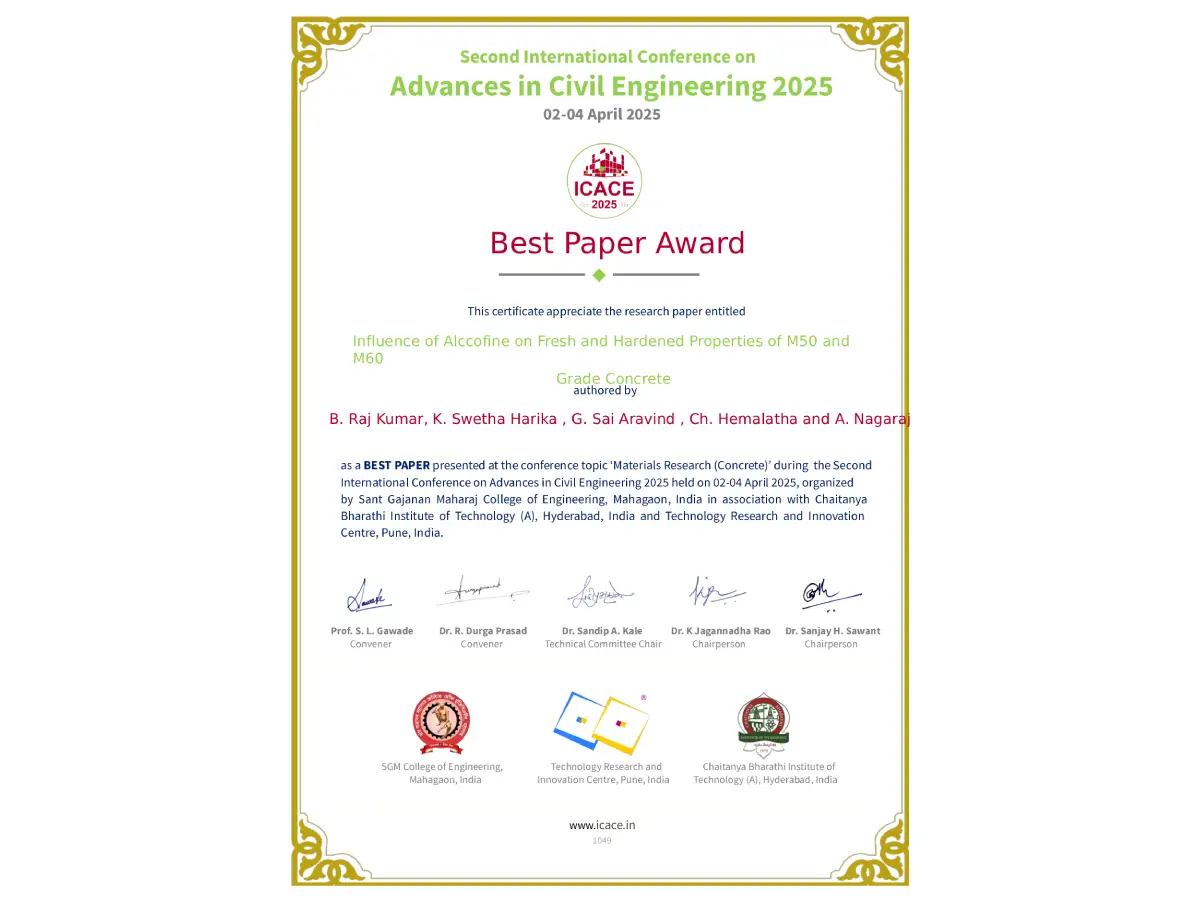
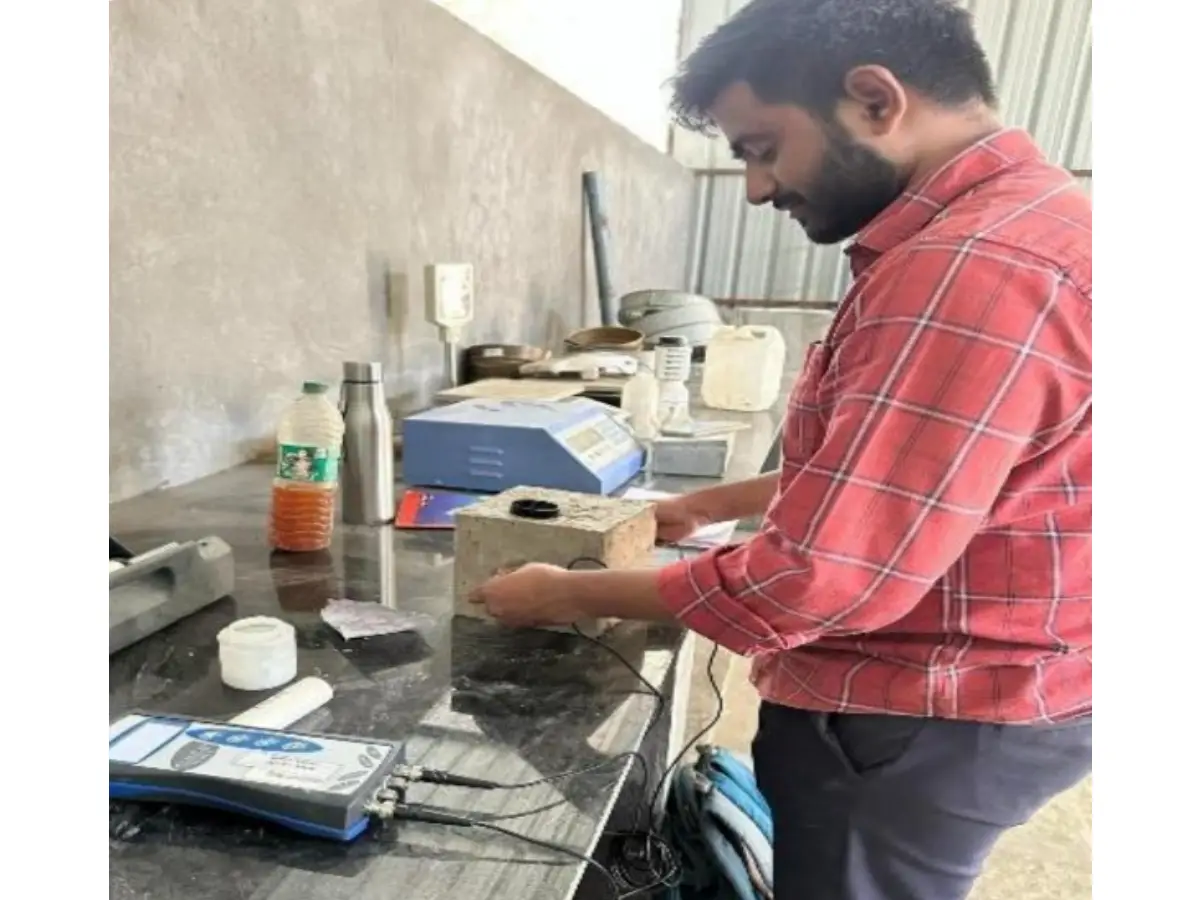
Academic projects form an integral part of the teaching–learning process in the Civil Engineering programme and are undertaken at various stages of the curriculum. Through structured project work, students apply theoretical concepts to practical civil engineering problems, gaining experiential learning opportunities. These projects foster innovation, teamwork, problem-solving abilities, and the development of technical and professional skills aligned with industry practices and societal needs.
Outcome Based Education (OBE) is implemented in the Civil Engineering programme to align the teaching–learning process with clearly defined academic and professional outcomes. It emphasizes what students are expected to know, understand, and be able to perform upon completion of the programme, with a strong focus on competency development and application of knowledge.
Programme Educational Objectives (PEOs), Programme Outcomes (POs), Programme Specific Outcomes (PSOs), and Course Outcomes (COs) are systematically defined to guide curriculum planning, delivery, and assessment. Teaching strategies and evaluation methods are aligned with these outcomes, and attainment levels are periodically analyzed to support continuous improvement. The implementation of OBE is supported through a structured OBE manual and well-documented processes.
Engineering Graduates will be able to: