
Accredited by the National Board of Accreditation (NBA) under Tier-I
The academic regulations of the Civil Engineering programme are designed to ensure academic rigor, transparency, and consistency in accordance with the norms of the affiliating university and the guidelines of AICTE. These regulations define the framework for curriculum structure, credit requirements, assessment methods, grading systems, attendance policies, and progression criteria. They support Outcome-Based Education (OBE) by clearly outlining learning objectives, evaluation strategies, and performance benchmarks. The regulations are periodically reviewed and updated to incorporate academic reforms, emerging technologies, and industry requirements in the civil engineering domain, thereby ensuring a structured, fair, and student-centric academic environment that promotes continuous learning and professional excellence.
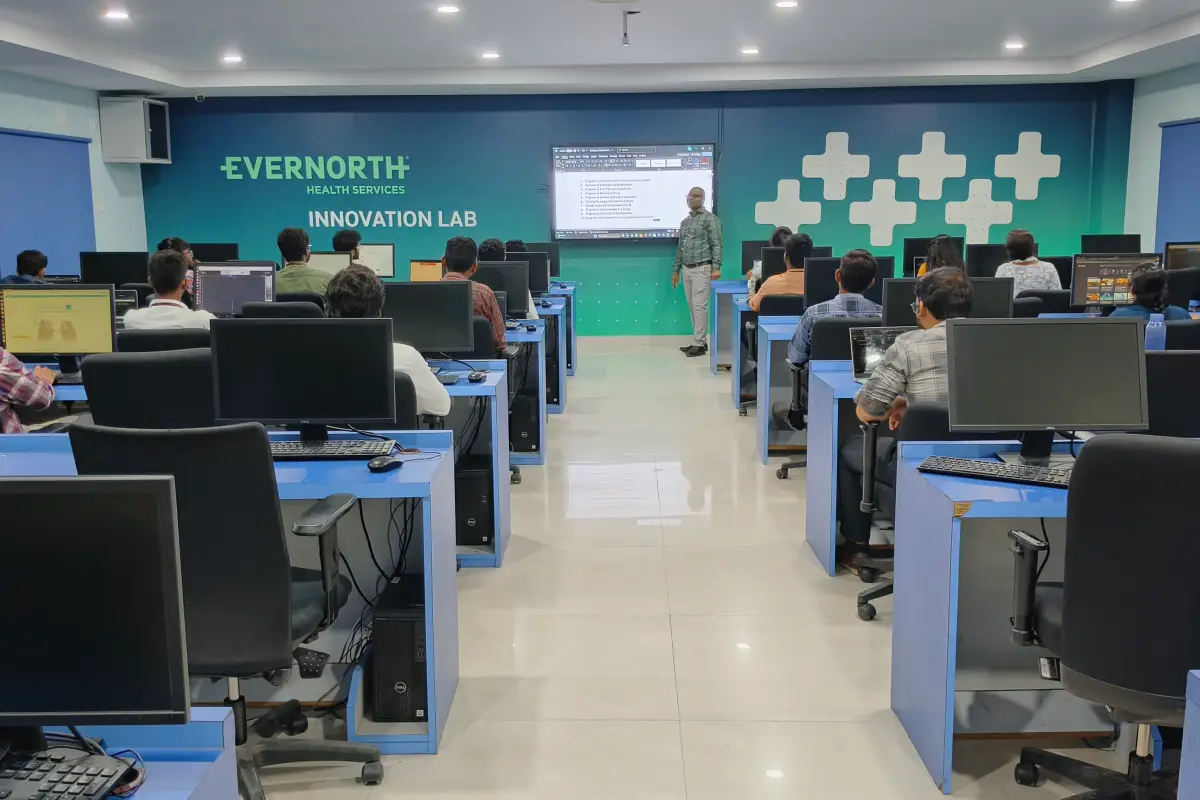
The B.Tech and M.Tech programmes in Civil Engineering are designed with a comprehensive, AICTE-aligned curriculum that ensures academic excellence, industry relevance, and global competence. The curriculum provides a strong foundation in core areas such as Structural Engineering, Geotechnical Engineering, Environmental Engineering, Transportation Engineering, Water Resources Engineering, Surveying, and Construction Planning and Management, while integrating emerging technologies including Building Information Modeling (BIM), sustainable construction materials, smart infrastructure systems, Remote Sensing & GIS, and green building practices. Structured under the Outcome-Based Education (OBE) framework, the curriculum emphasizes hands-on learning through laboratories, fieldwork, mini-projects, internships, software simulations, and industry interaction. The M.Tech programme further strengthens research orientation through advanced coursework, seminars, and thesis work. With flexible elective options, interdisciplinary learning opportunities, and a strong focus on ethics, professionalism, and societal responsibility, the programmes prepare graduates to become competent, innovative, and future-ready civil engineers capable of addressing real-world infrastructure challenges.
The Honors Program in Civil Engineering is designed for academically high-performing students who wish to gain advanced expertise within the core domain of Civil Engineering beyond the regular B. Tech curriculum. In accordance with JNTUH R25 regulations for B. Tech Civil Engineering (effective from the Academic Year 2025–26), students can earn an Honours degree by completing an additional 20 credits of advanced coursework alongside the regular programme.
The Honors curriculum is expected to include advanced and specialized subjects such as Prestressed Concrete, AI Applications in Civil Engineering, Hydraulic Structures, Industrial Waste Water Treatment, and other emerging areas. The program emphasizes higher-order learning, advanced problem-solving, design orientation, and research exposure, thereby strengthening students’ analytical, technical, and innovation capabilities.
The Community Innovation and Transformation courses are designed to provide students with meaningful, real-world learning experiences by integrating engineering education with community service. These courses enable students to identify societal challenges and develop sustainable, technology-driven solutions that benefit local communities and social organizations. Through CIT courses, students apply their technical knowledge, creativity, and problem-solving skills to address real-life issues related to areas such as energy, environment, healthcare, accessibility, and rural development.
The CIT courses emphasizes experiential learning, teamwork, ethical responsibility, and social awareness. Students work in multidisciplinary teams under faculty mentorship, engaging in project planning, design, implementation, and evaluation. The program also promotes leadership, communication skills, and empathy while strengthening industry-relevant competencies. By blending academic learning with social impact, CIT courses help students become socially responsible engineers who contribute positively to society while gaining valuable hands-on experience aligned with professional and career goals.