
Civil Engineering

Accredited by the National Board of Accreditation (NBA) under Tier-I

Teaching–Learning Process

The Department of Electrical and Electronics Engineering follows a structured teaching–learning process that emphasizes student-centered learning, outcome-oriented education, and practical skill development. The department adopts effective instructional practices that promote active engagement, conceptual clarity, and continuous academic improvement.

The teaching–learning process integrates innovative teaching methodologies, outcome based education, value added courses, online learning platforms, and project-based learning. These practices collectively aim to enhance technical competence, professional skills, lifelong learning abilities, and readiness to address industry and societal needs.

Student-Centered Learning

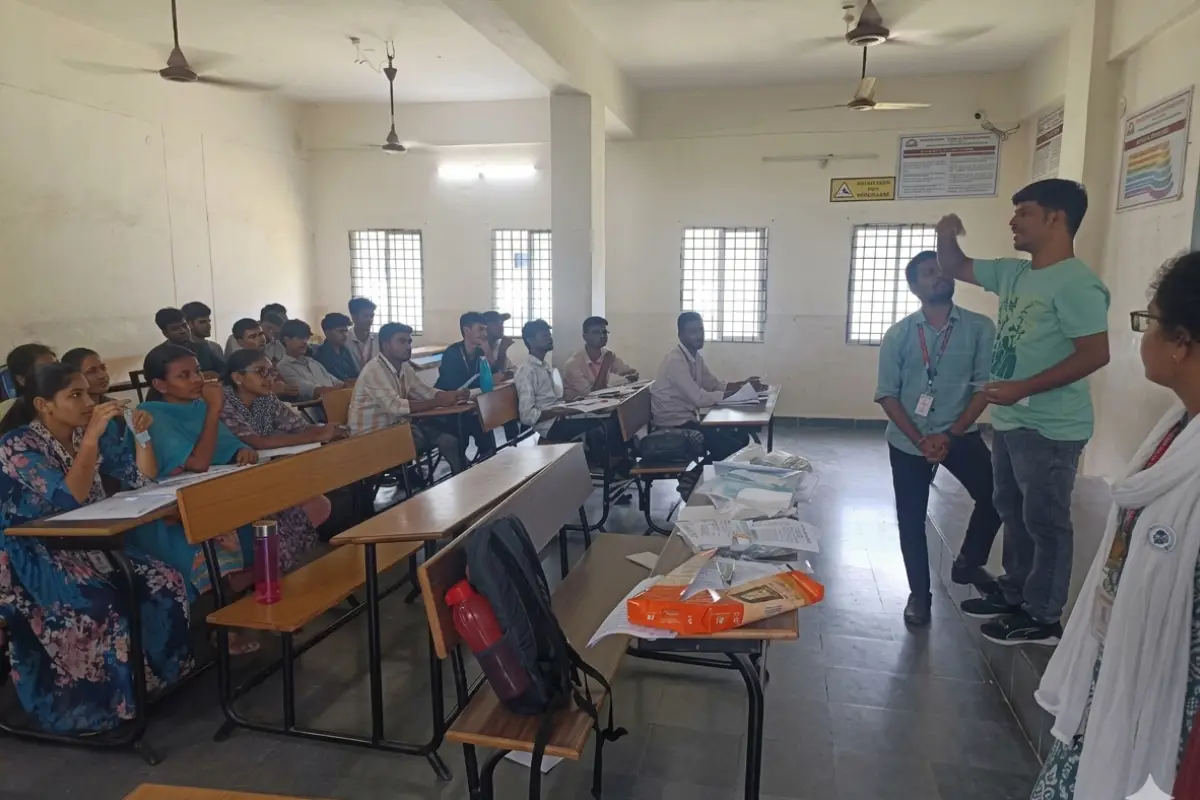
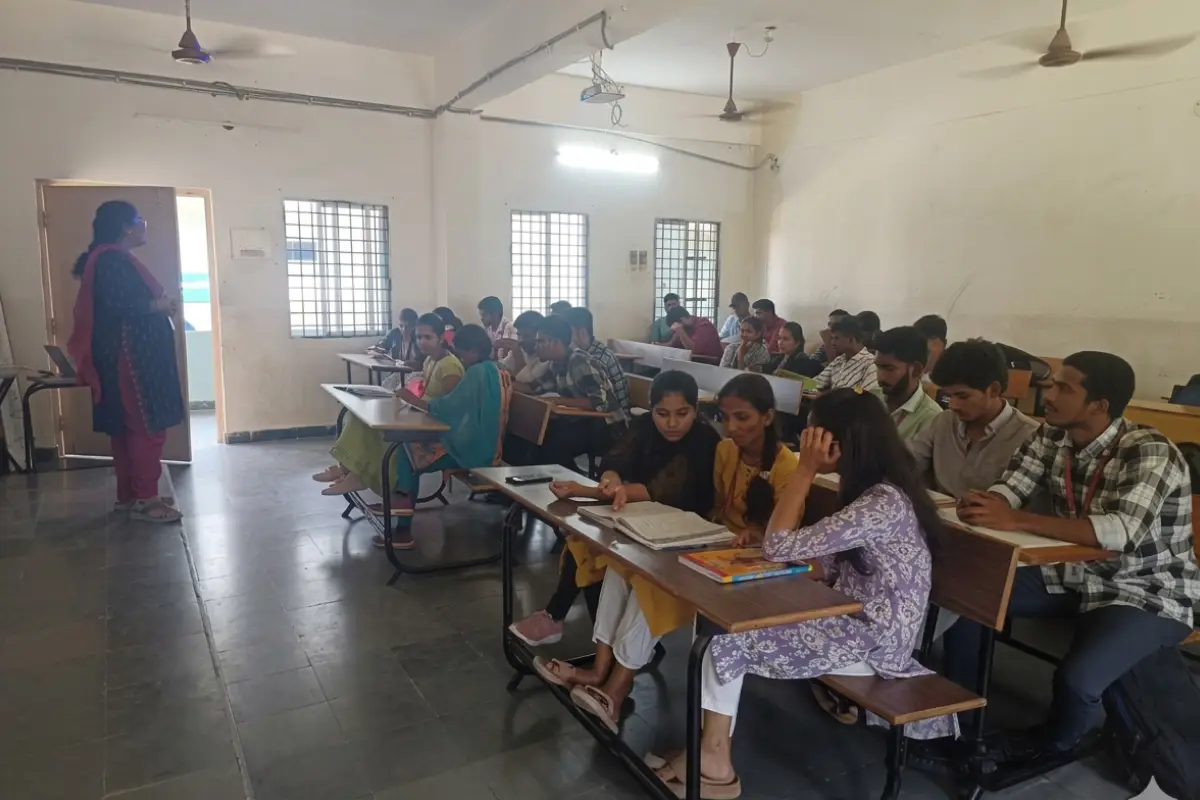
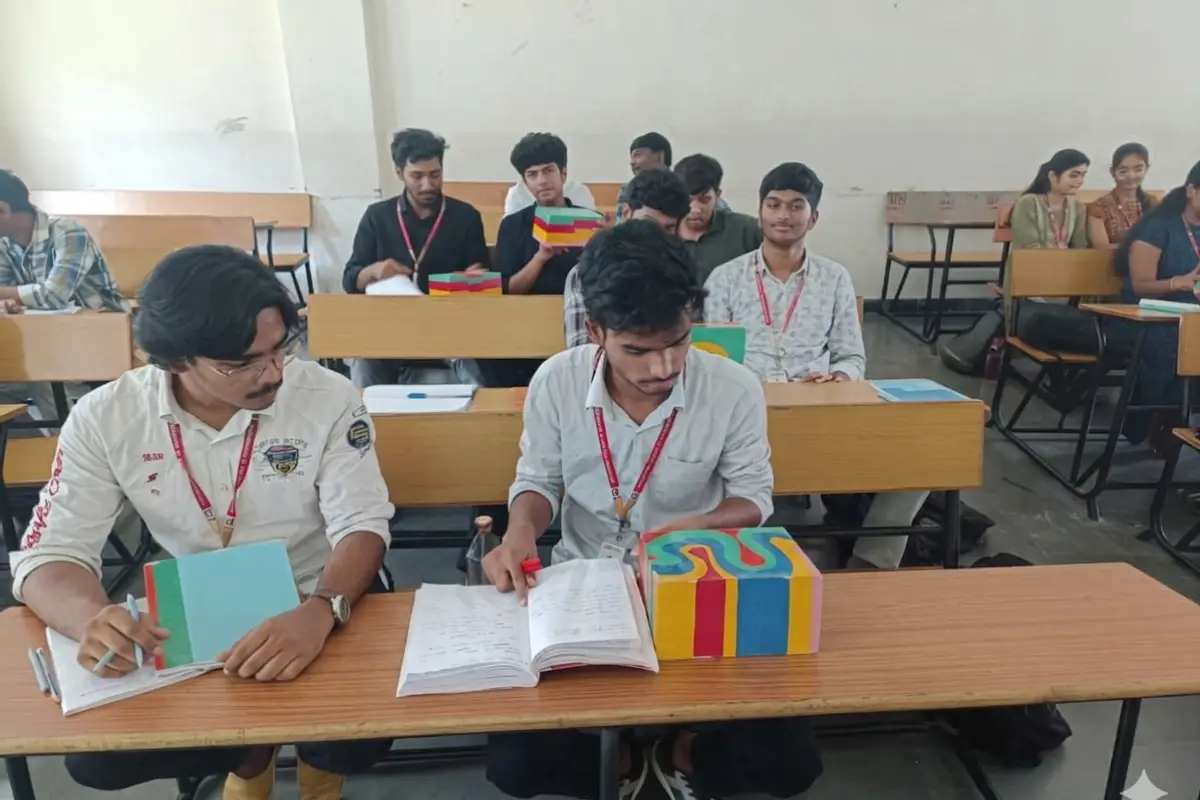
The department follows a student-centered learning approach that places learners at the core of the teaching–learning process. Emphasis is given to active engagement in classrooms, continuous mentoring, collaborative learning, and learner autonomy to promote deeper understanding and critical thinking. These practices encourage students to take responsibility for their learning while receiving consistent academic guidance and support, thereby enhancing overall learning effectiveness.
Innovative Teaching Methodologies

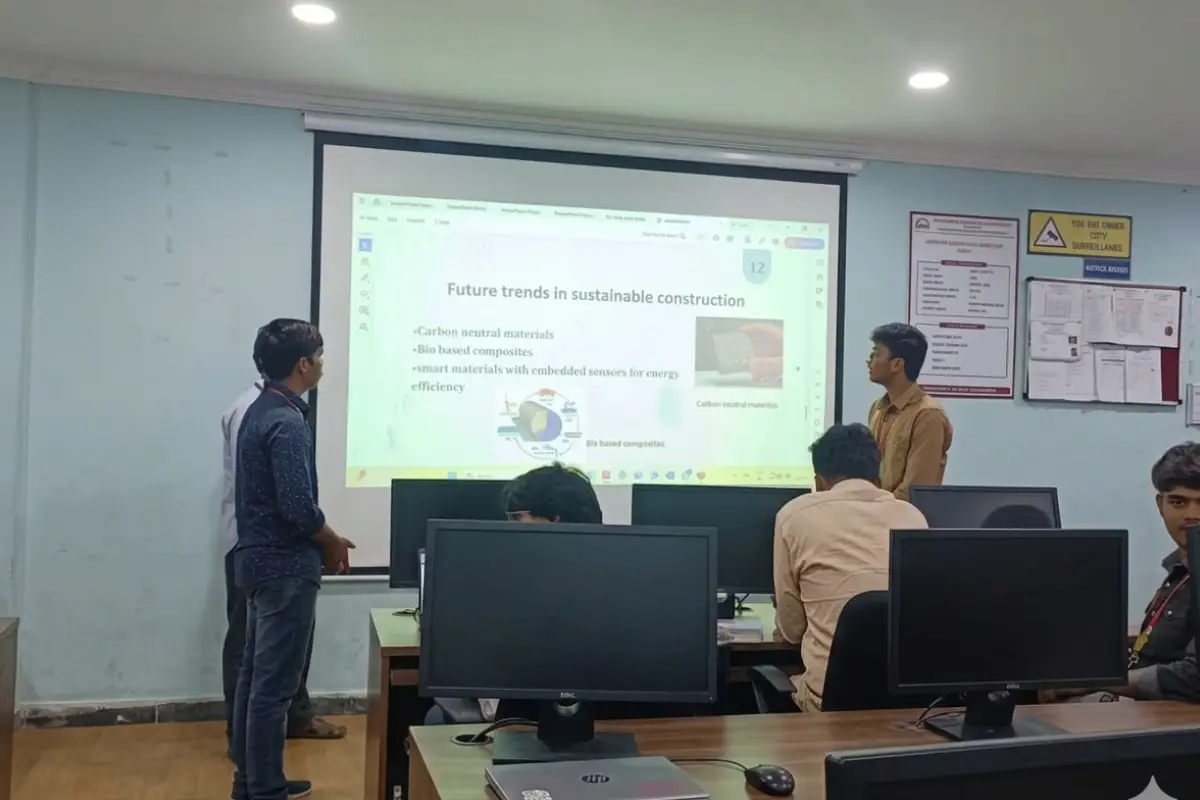
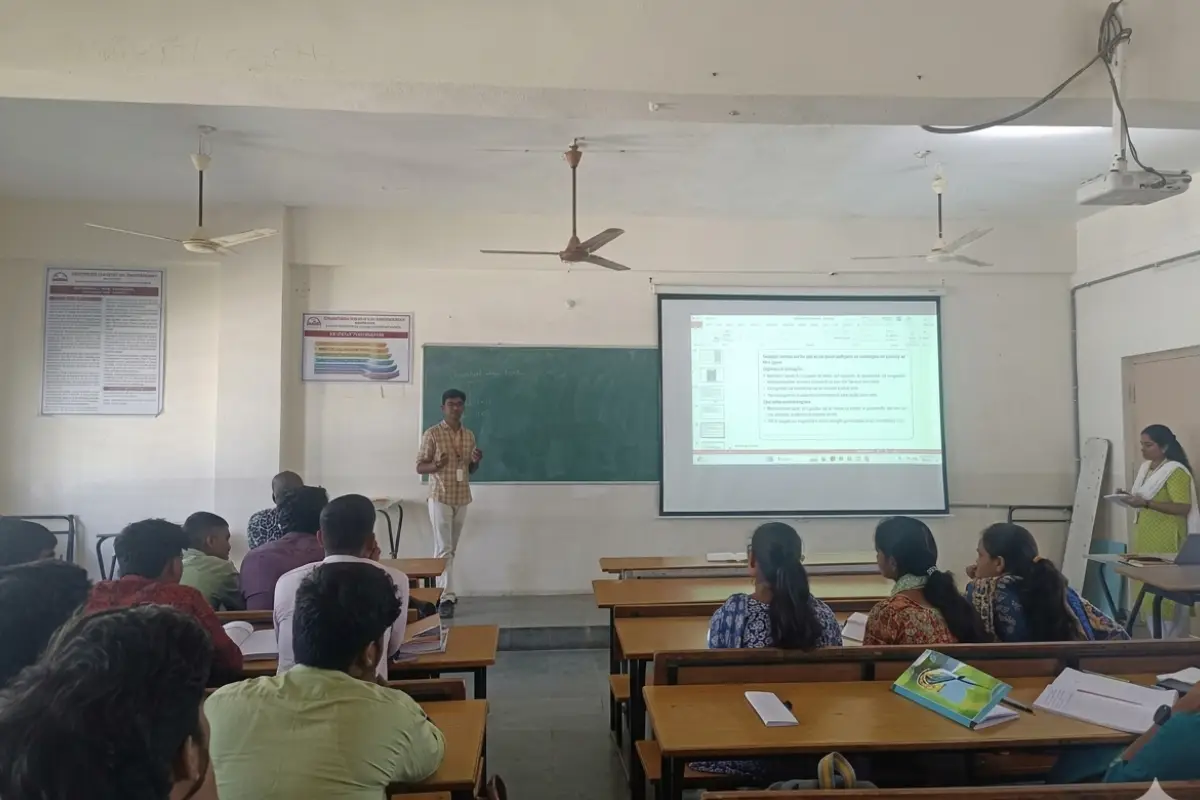
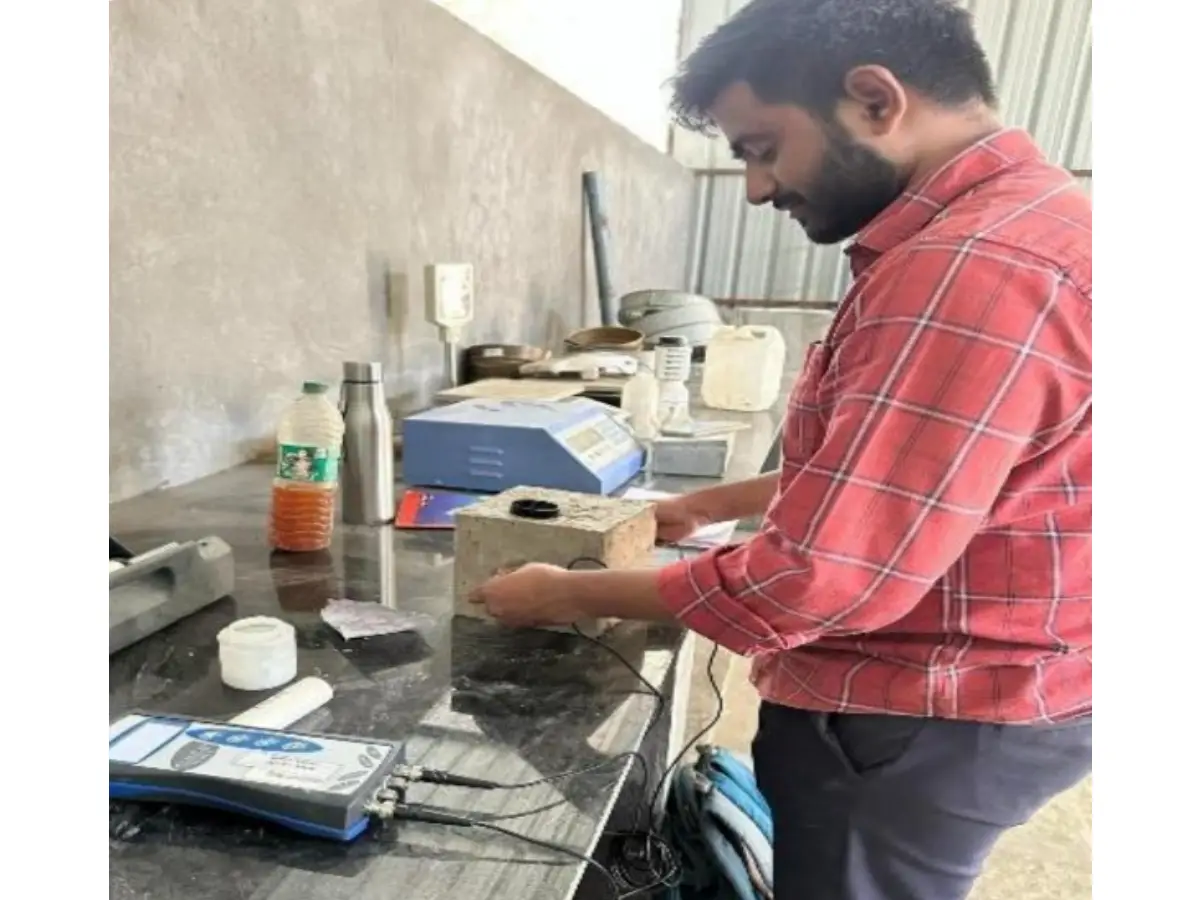
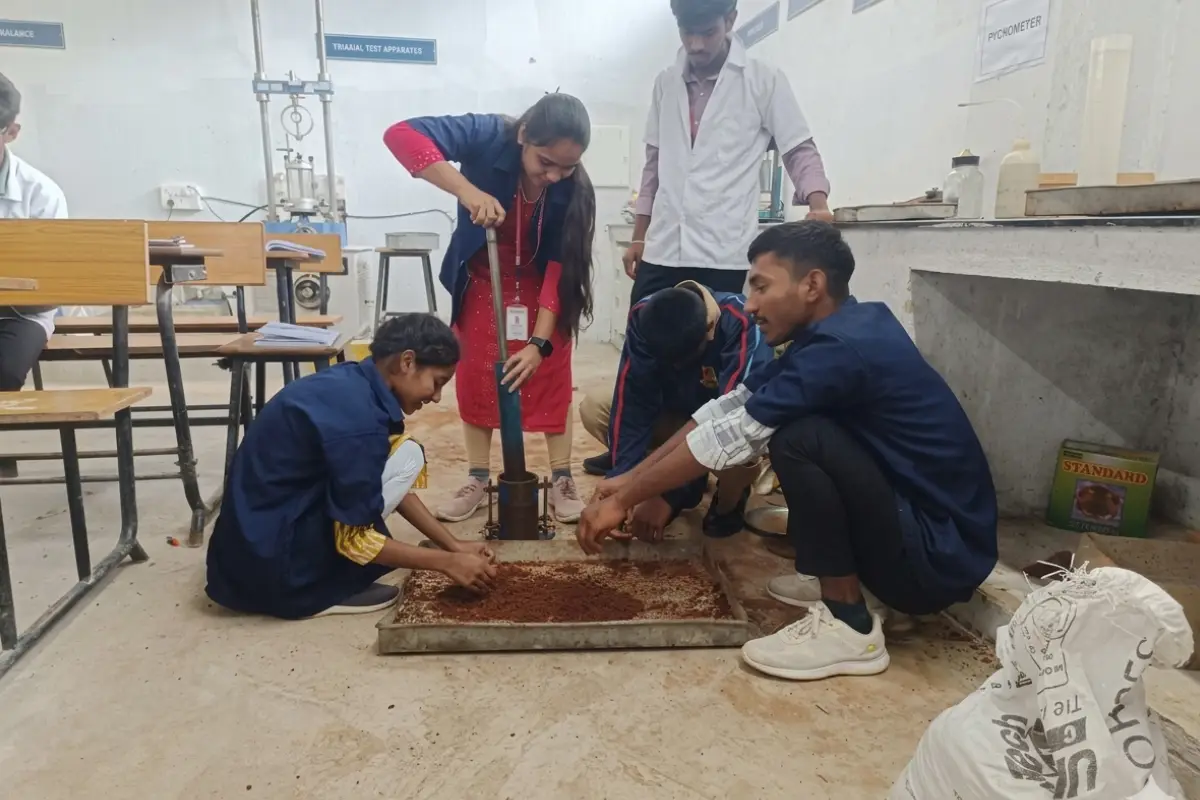
Innovative teaching–learning methodologies are adopted to enhance student competencies and improve learning outcomes. A combination of modern pedagogical practices, interactive teaching strategies, and technology-enabled tools is integrated into regular instruction. These approaches encourage active participation, improve conceptual clarity, and strengthen the linkage between theoretical knowledge and practical application.

Value Added Courses

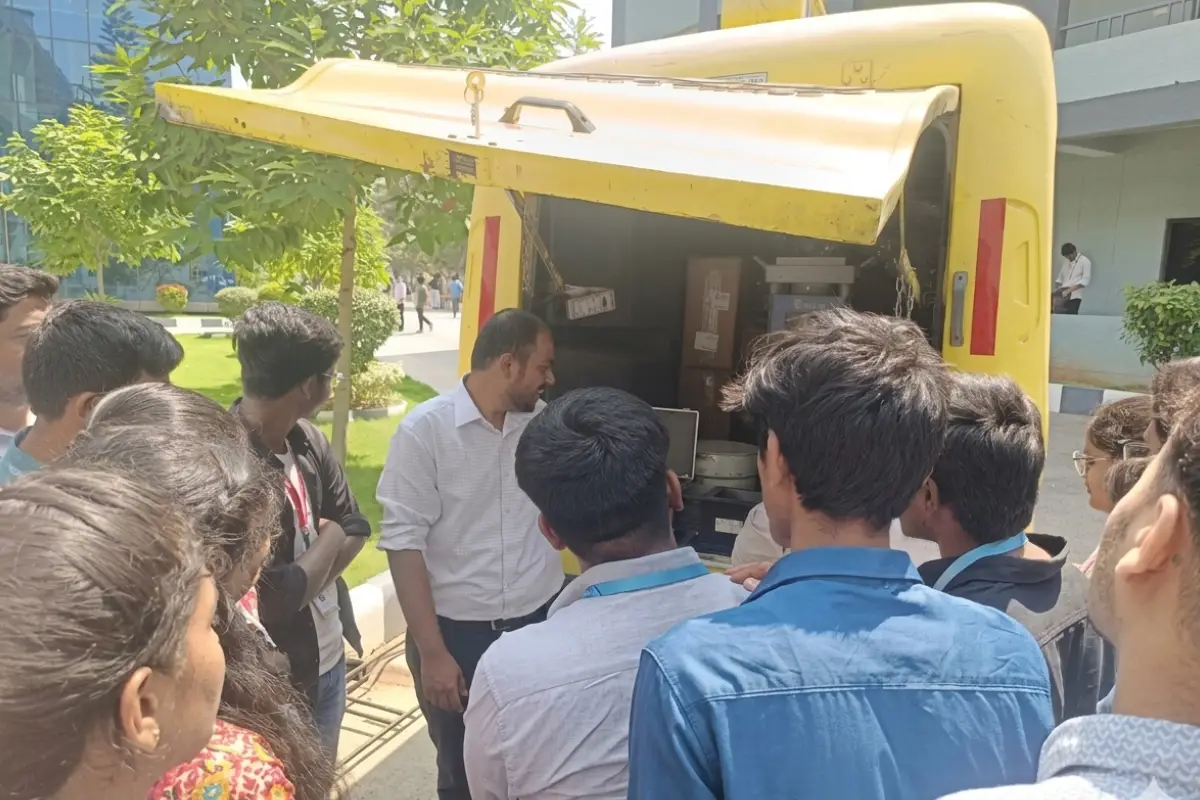
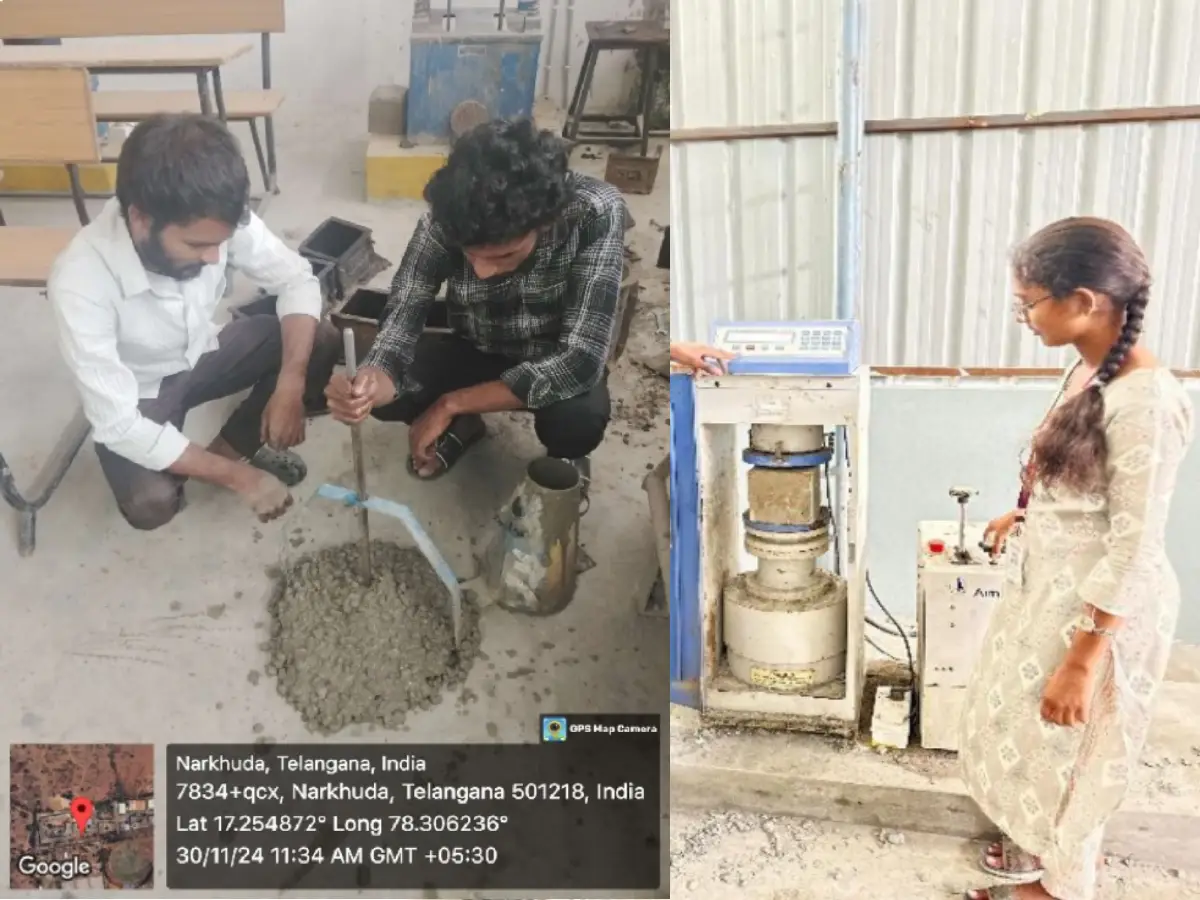
Value added courses are offered beyond the prescribed curriculum to enhance industry-relevant skills and practical competencies. These courses effectively utilize existing laboratory facilities and focus on application-oriented learning, hands-on training, and exposure to current engineering tools and technologies. By bridging the gap between theory and practice, they prepare students for professional challenges and industry expectations.

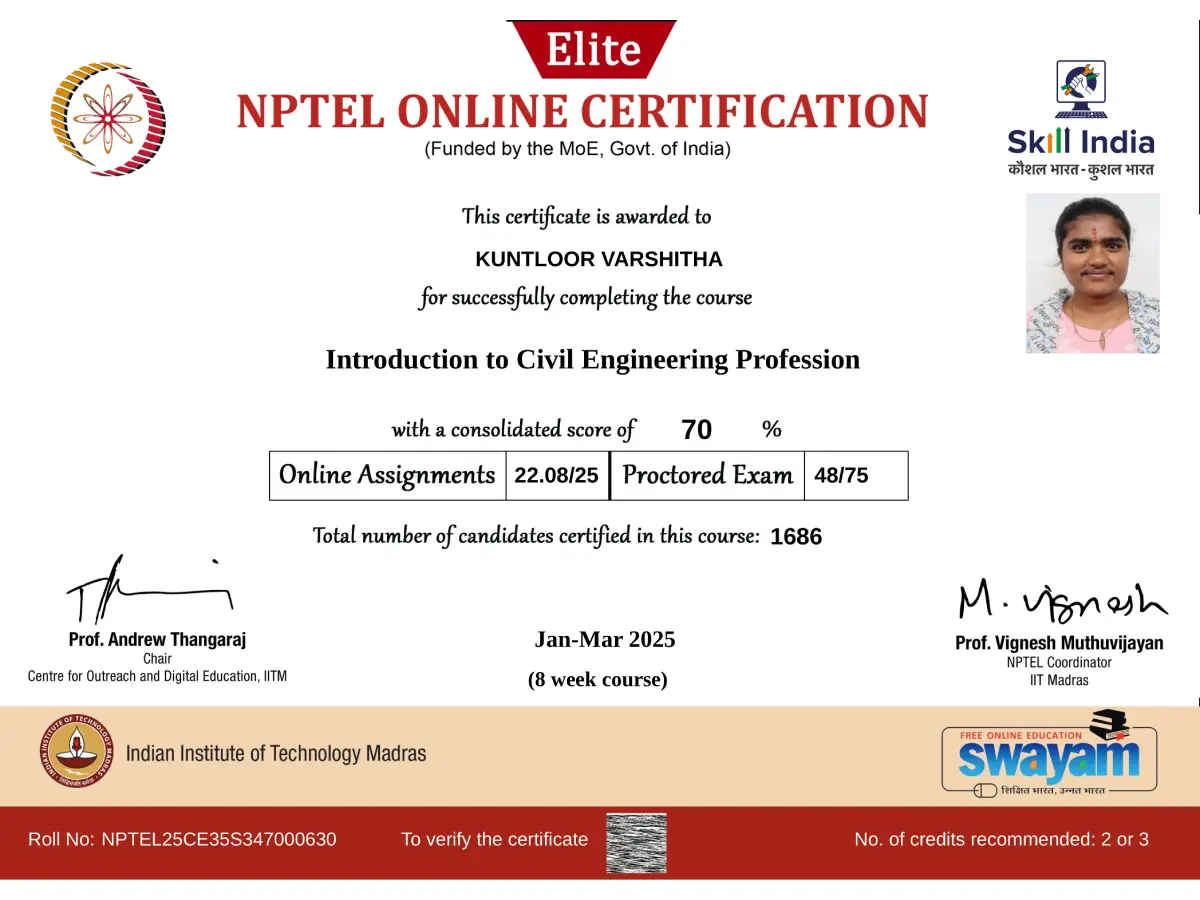
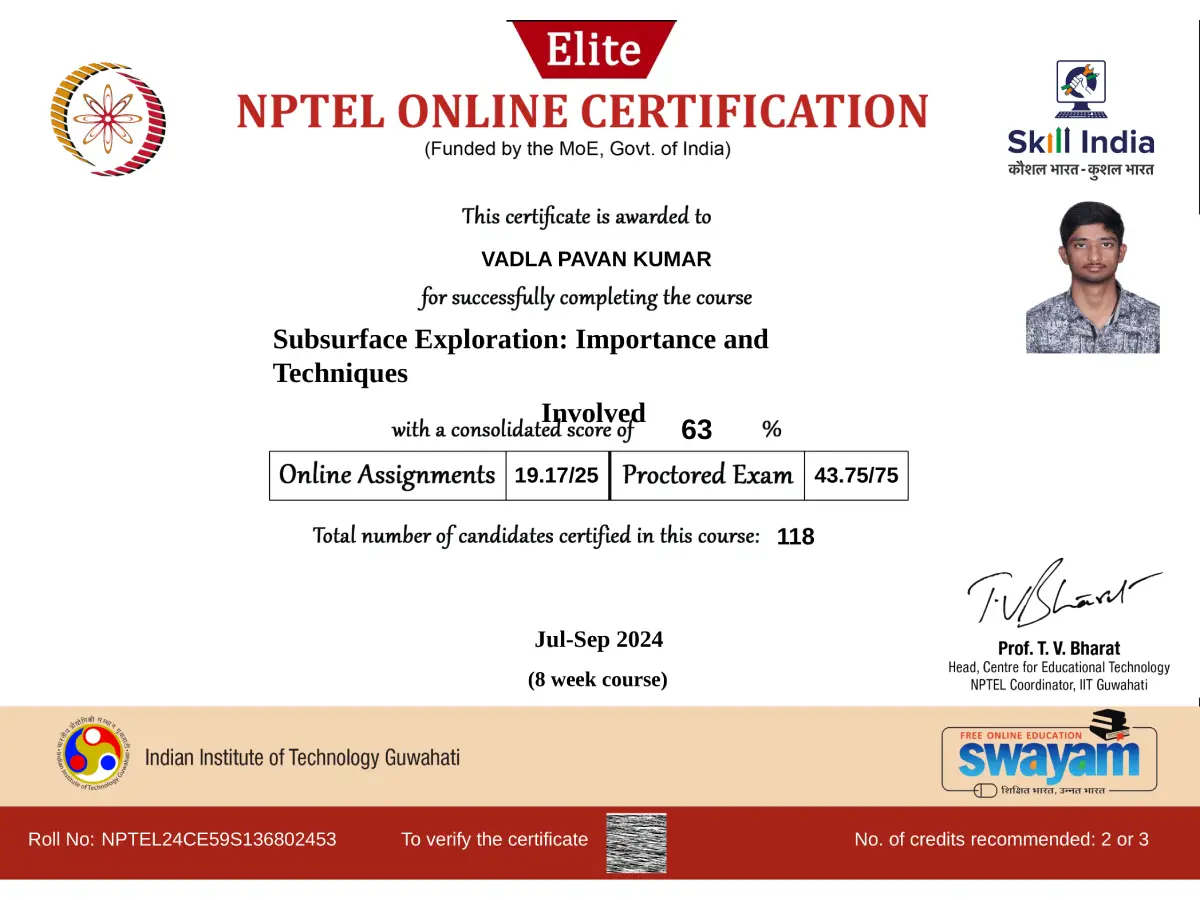
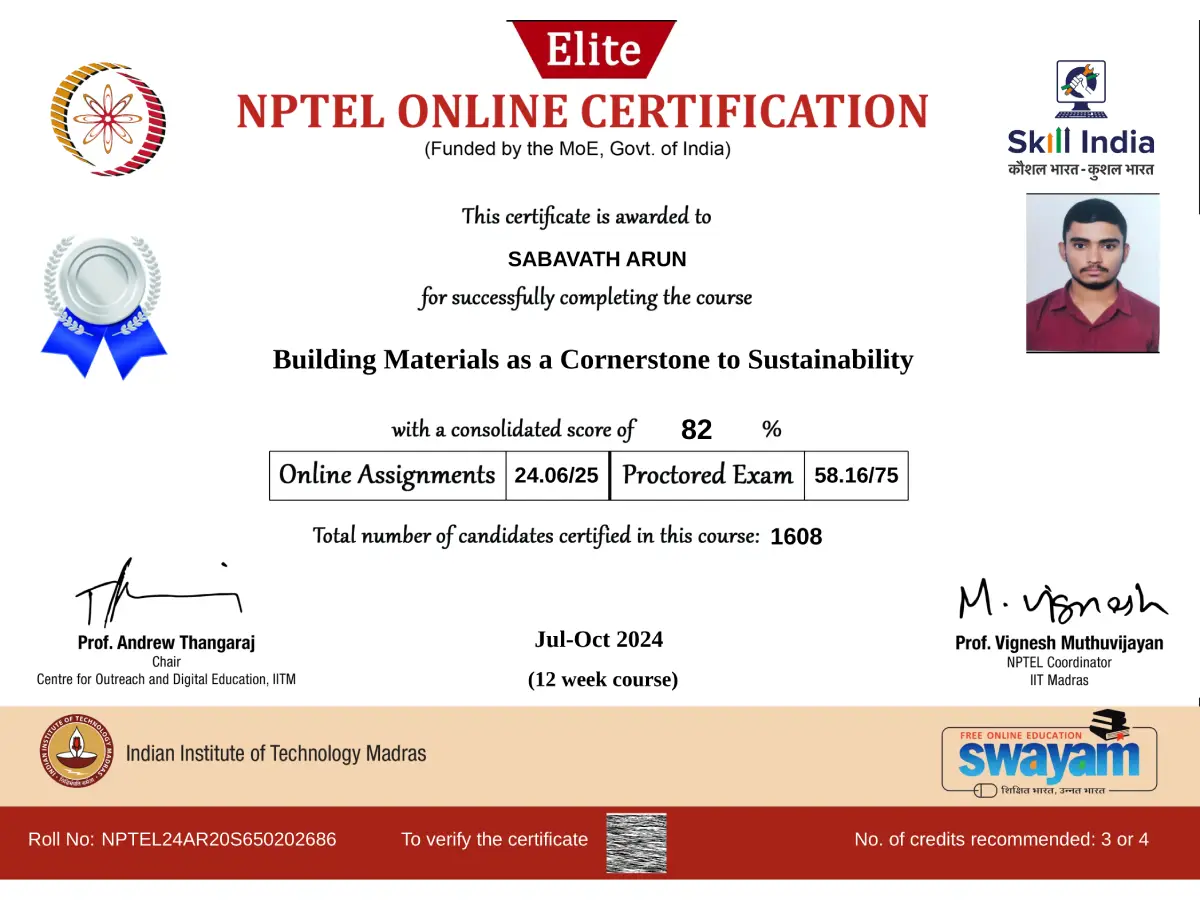
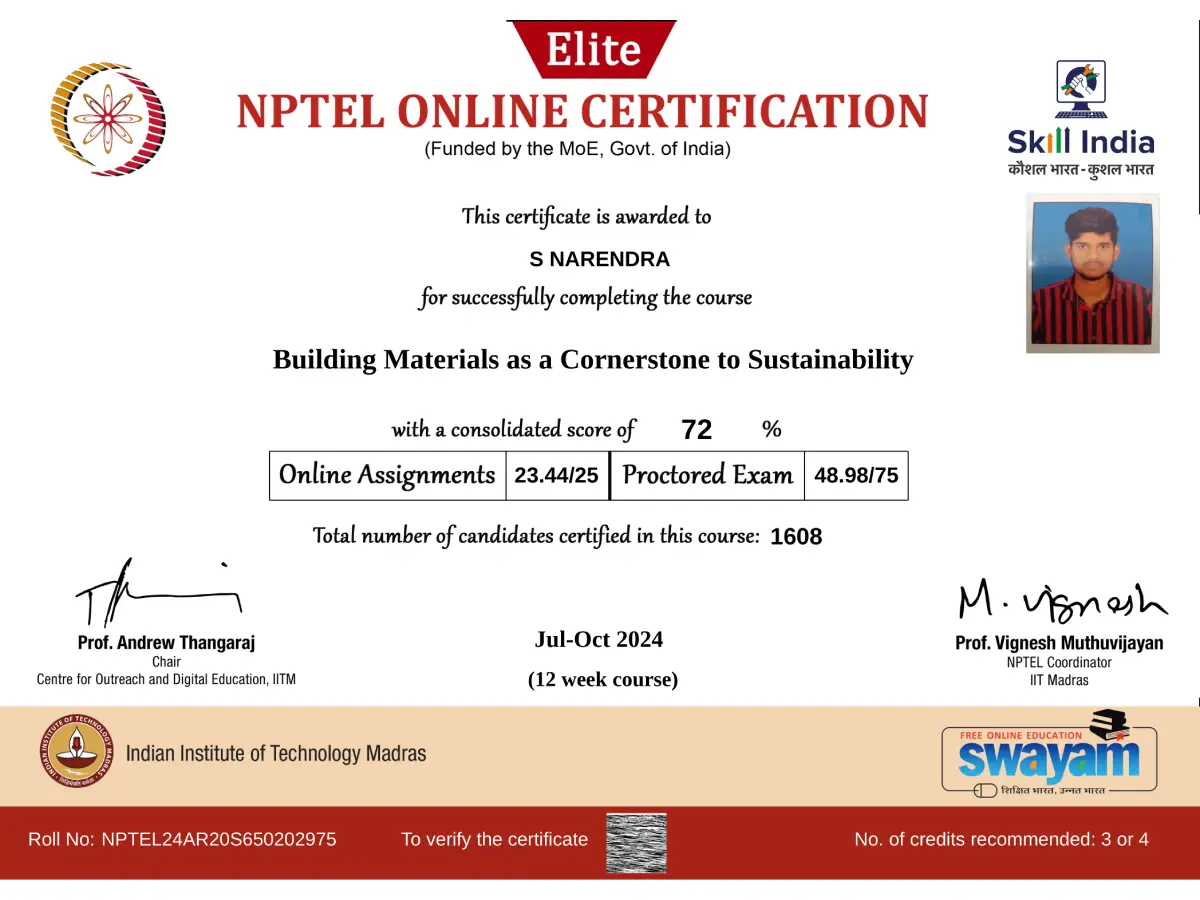
SWAYAM / MOOCs

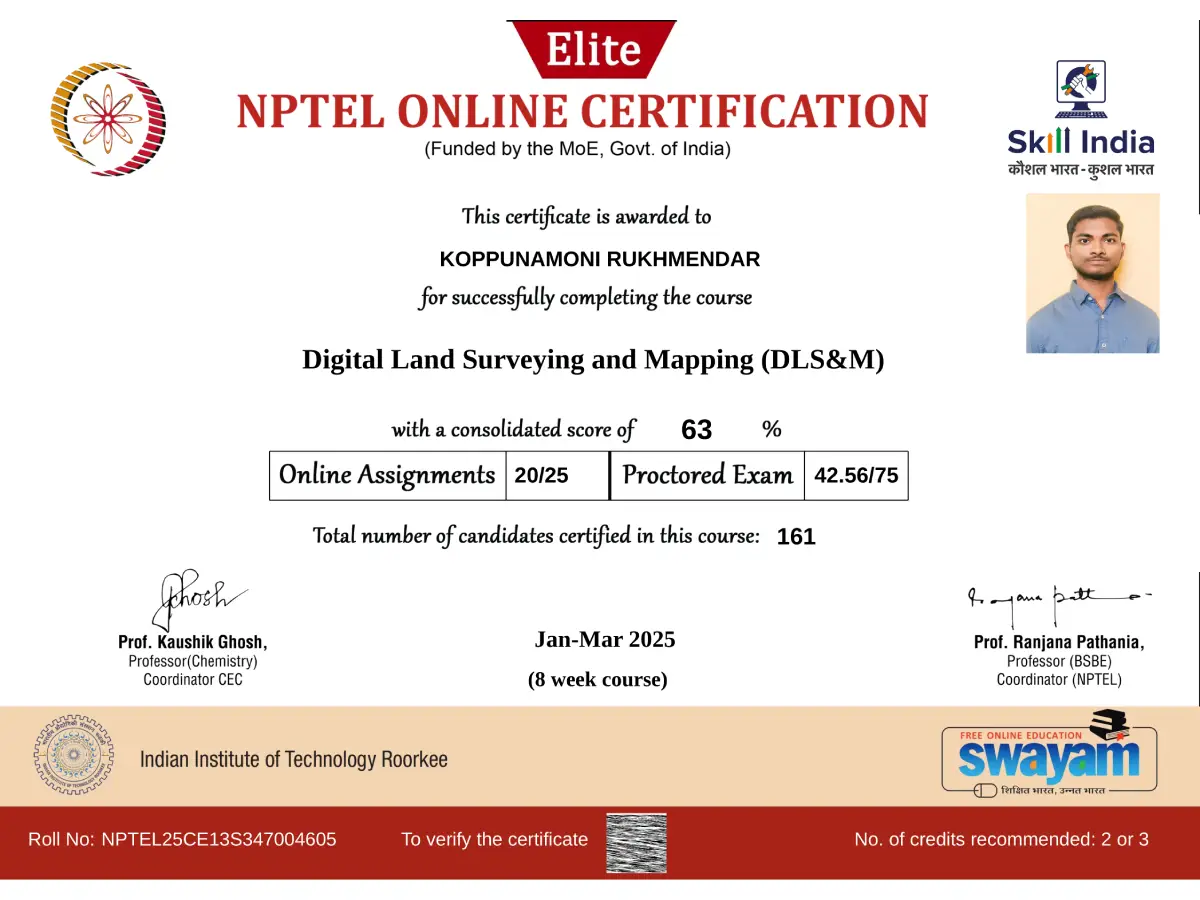
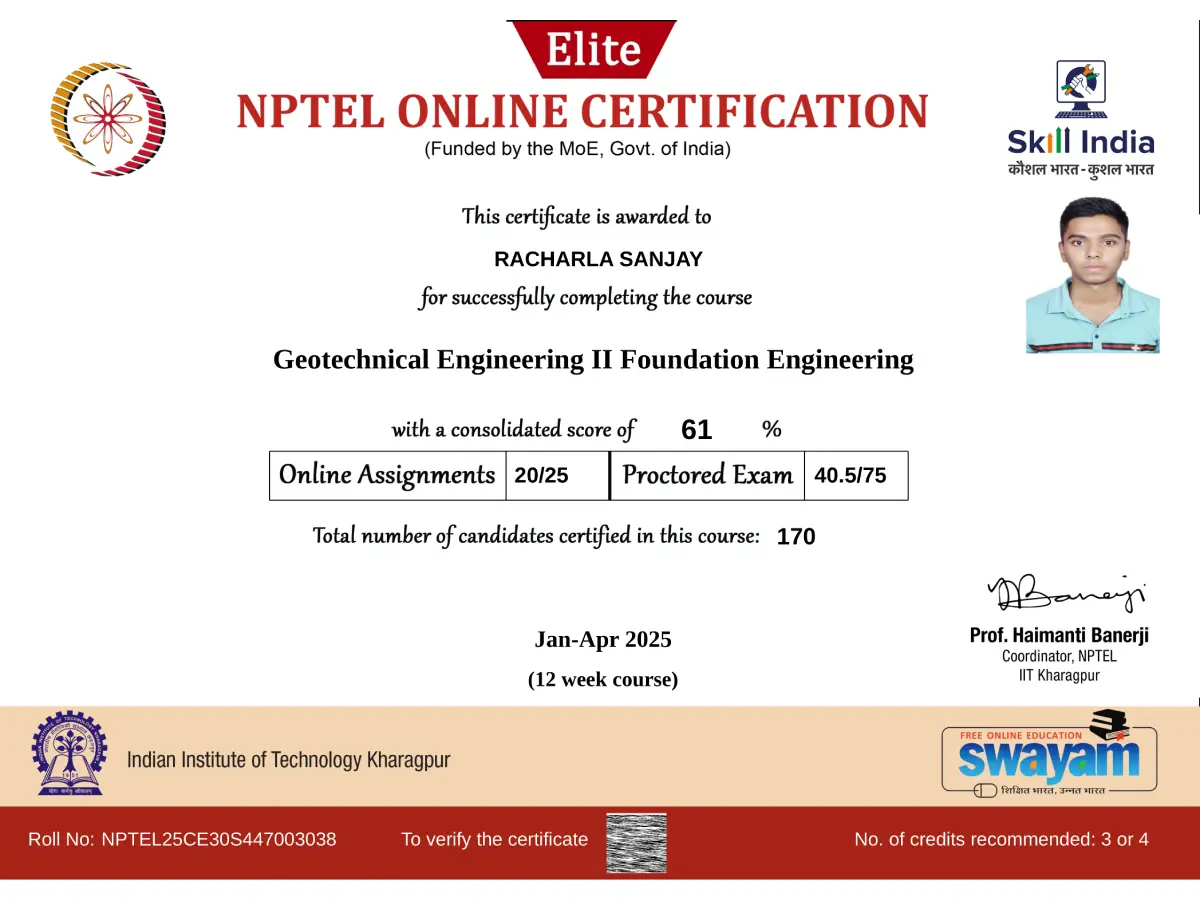
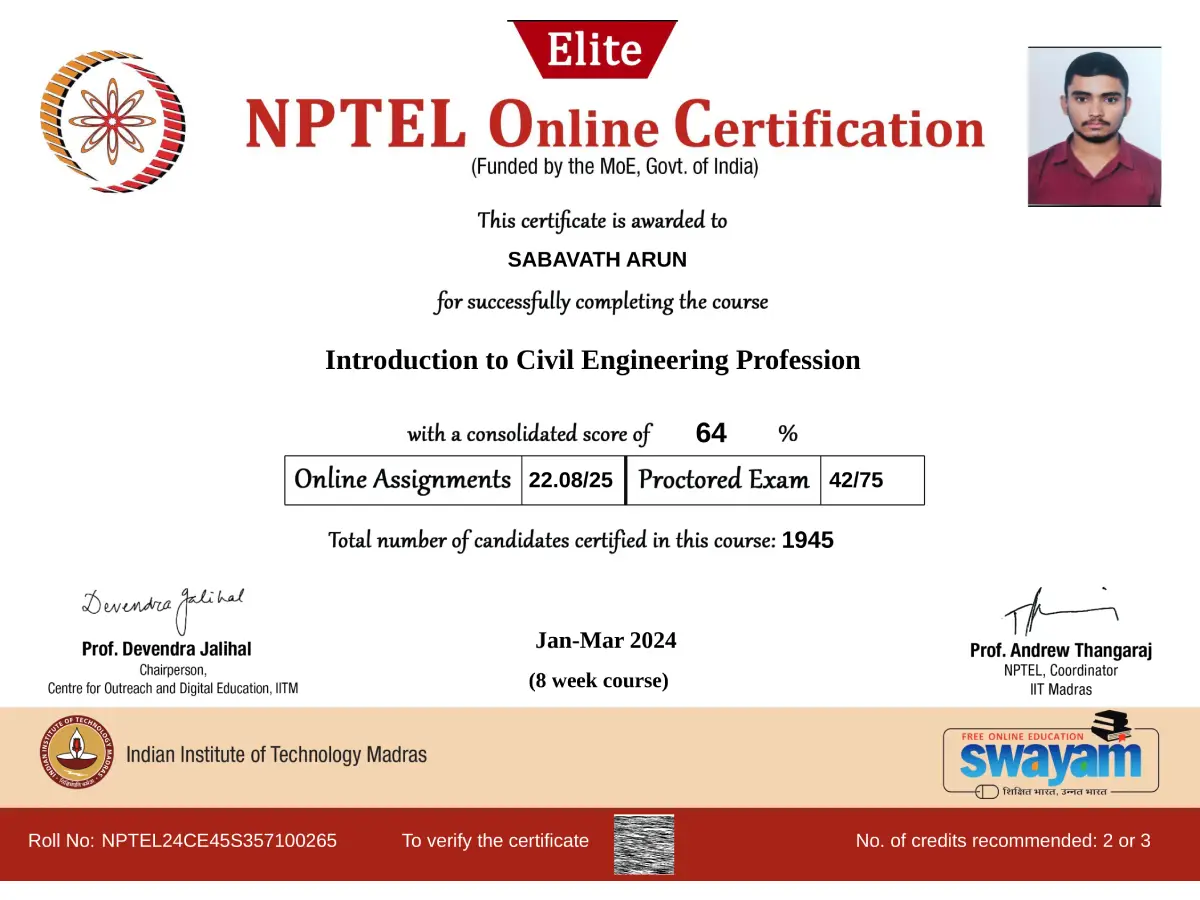
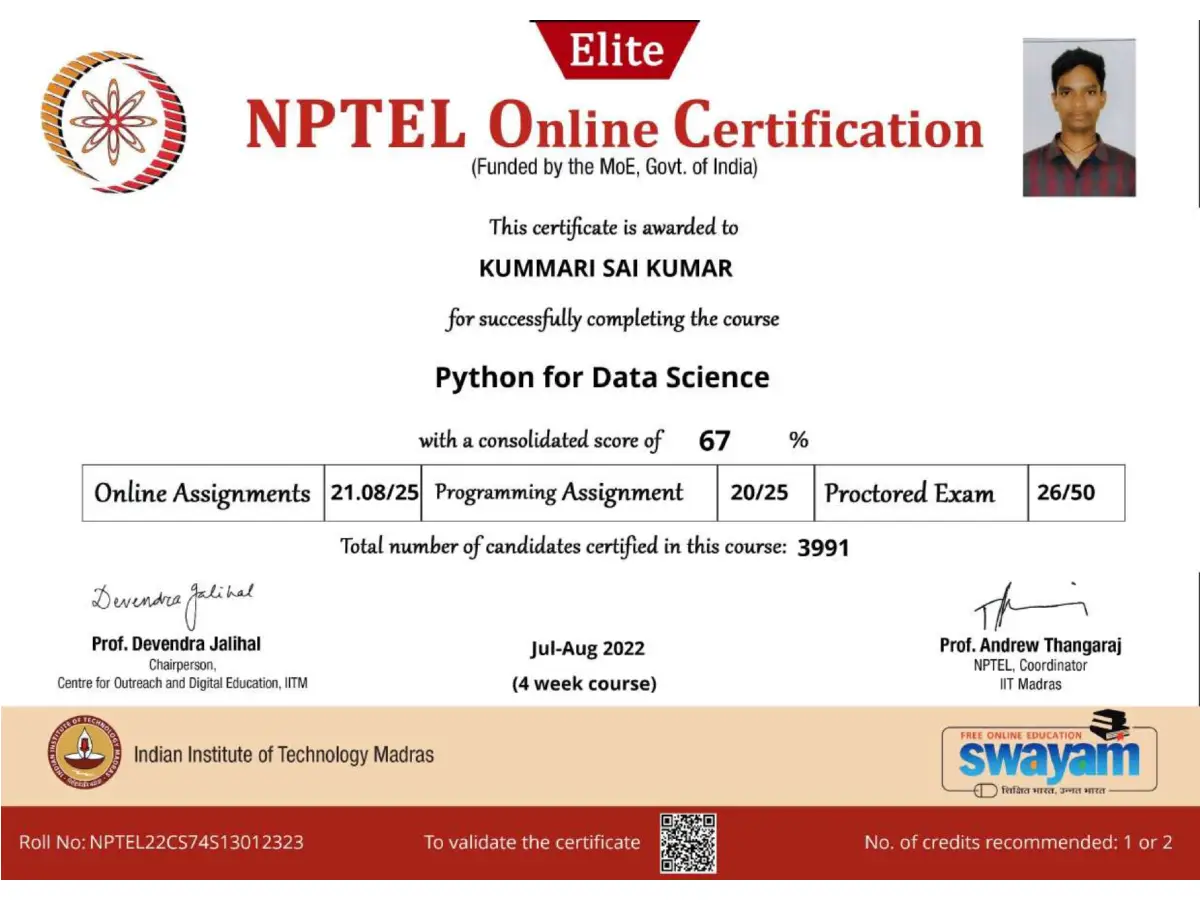
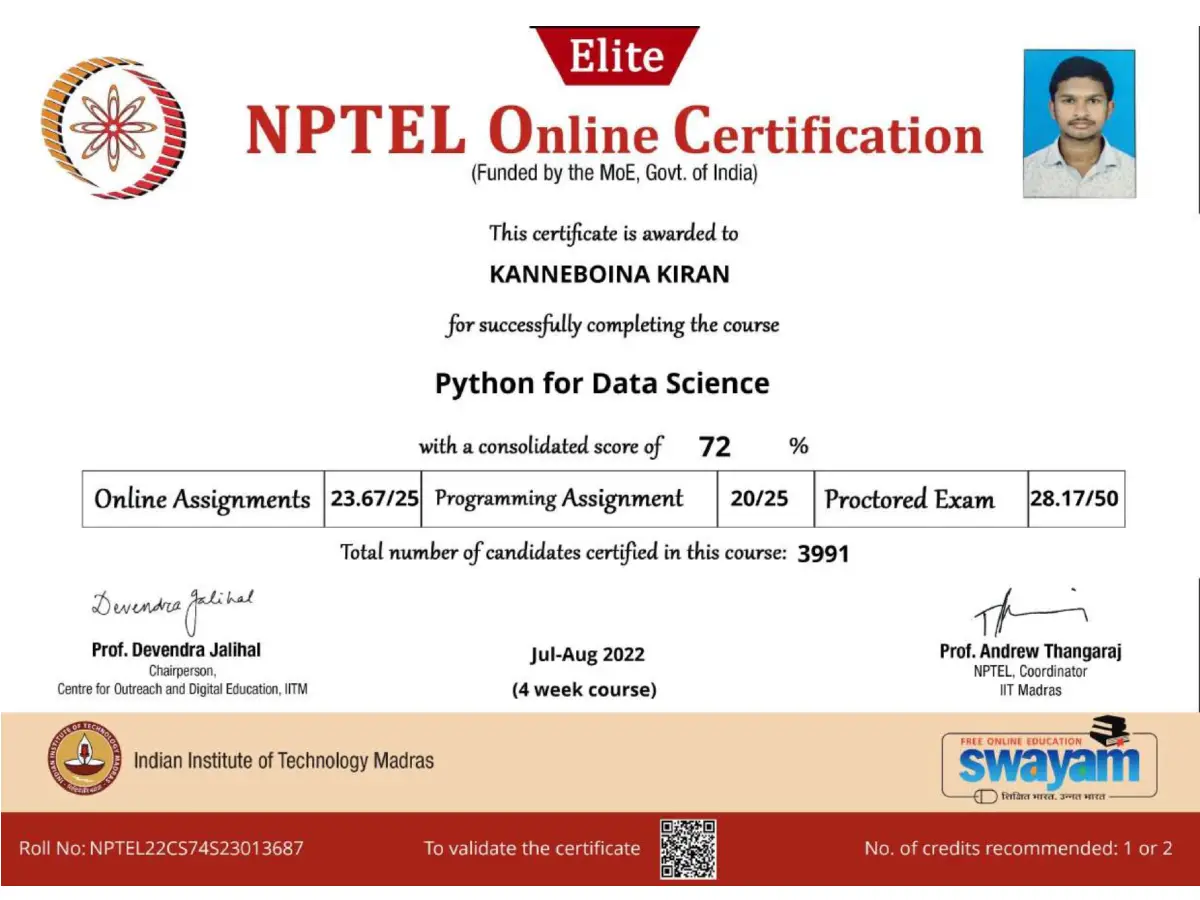
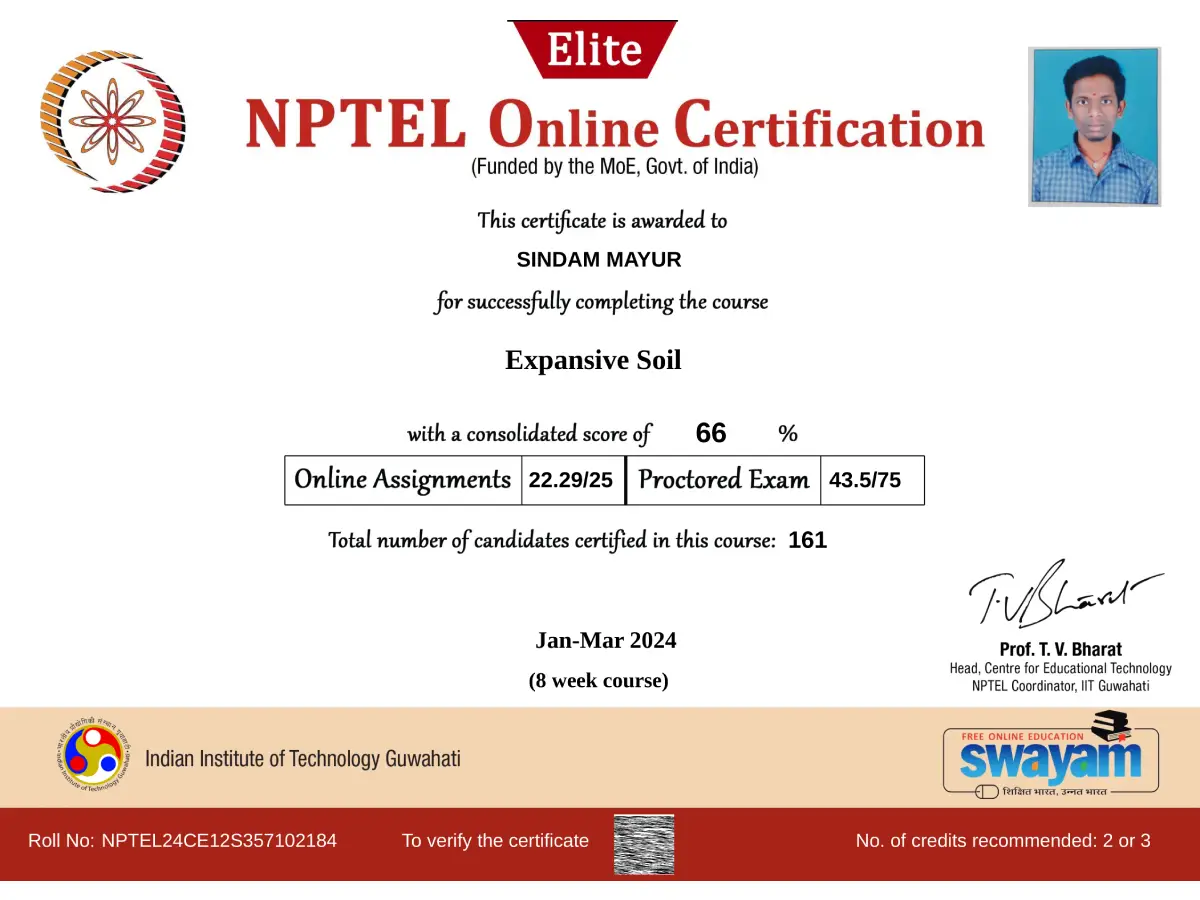
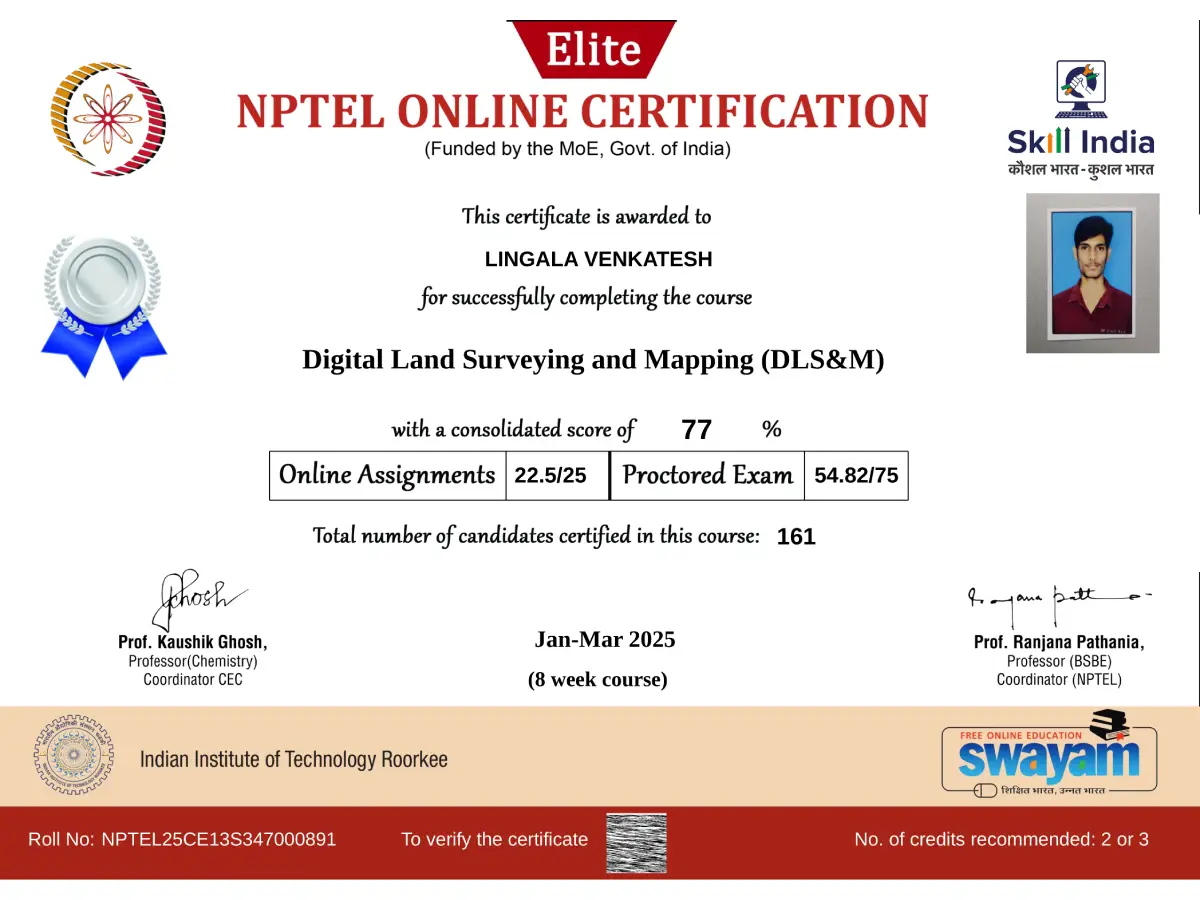
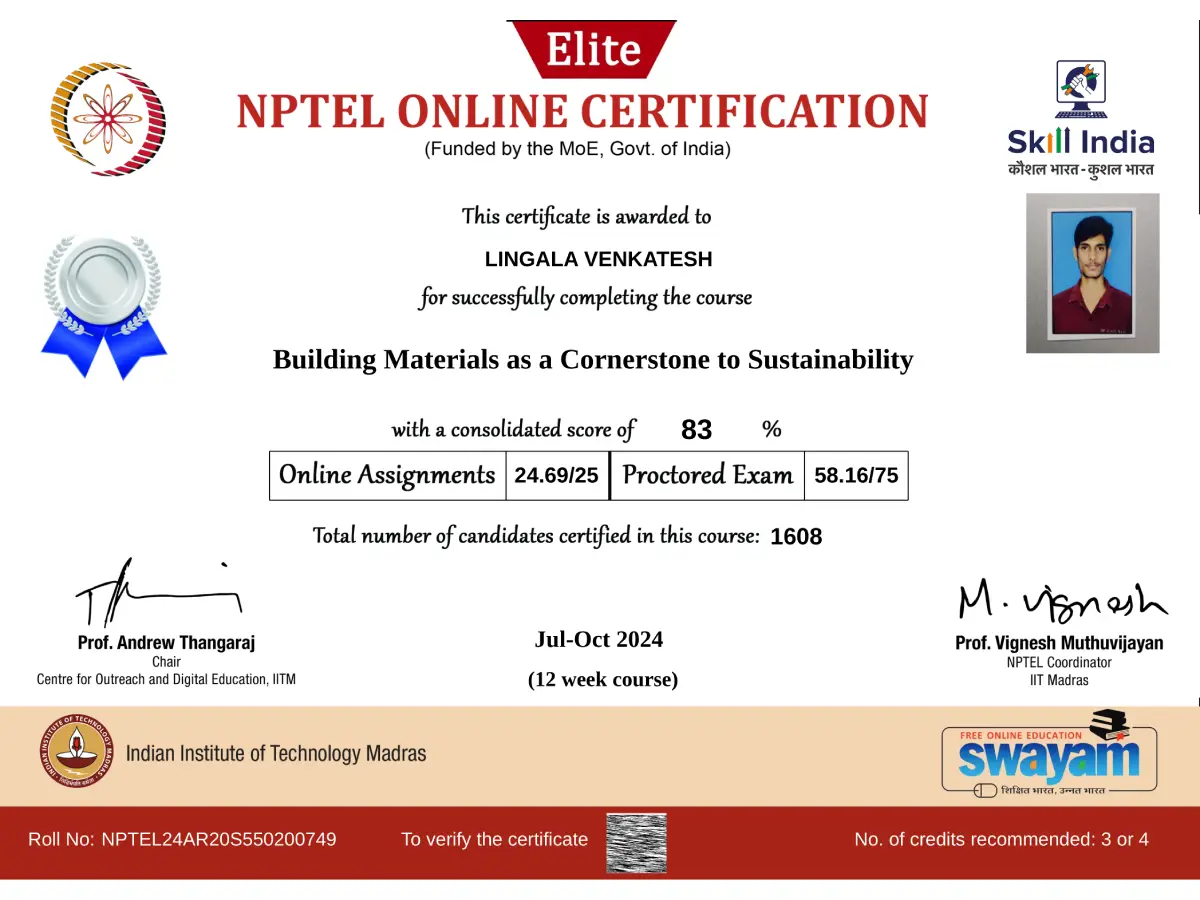
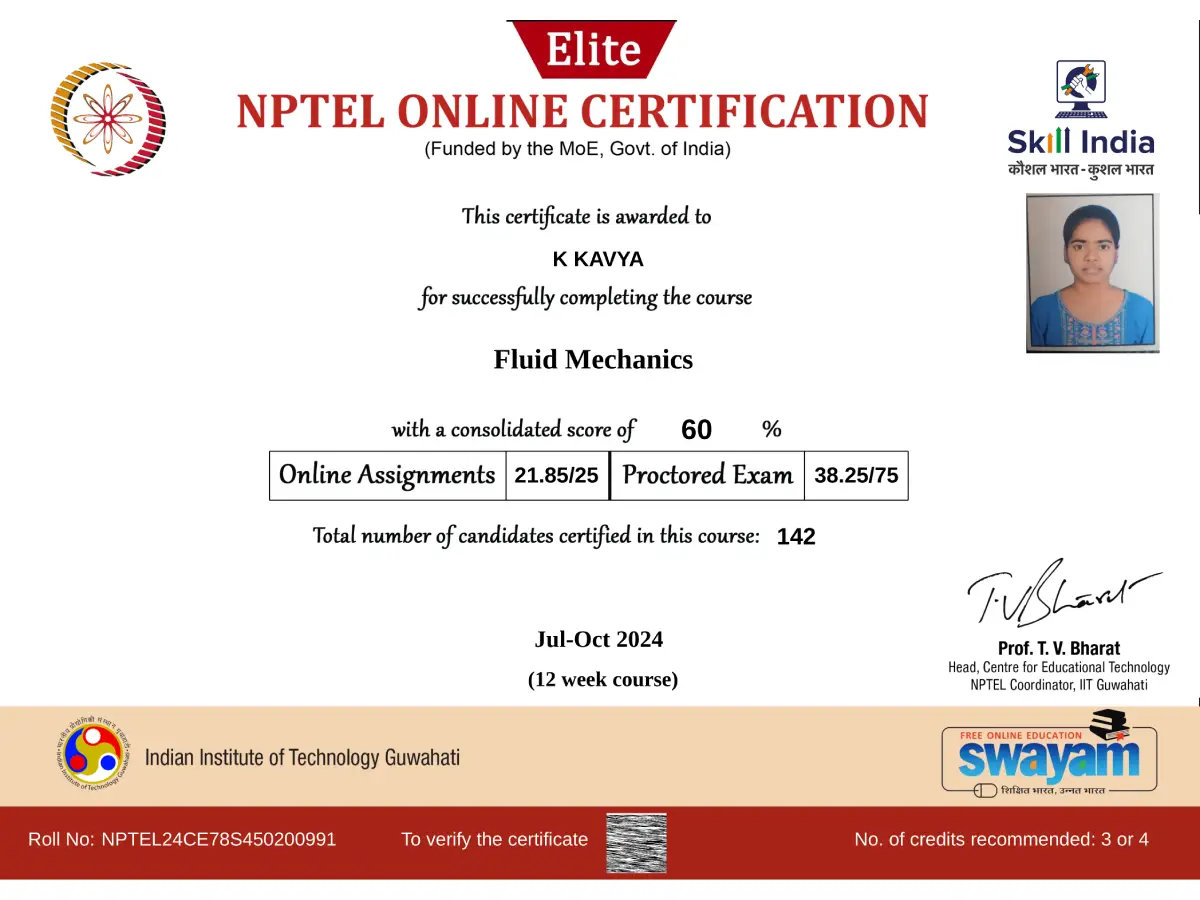
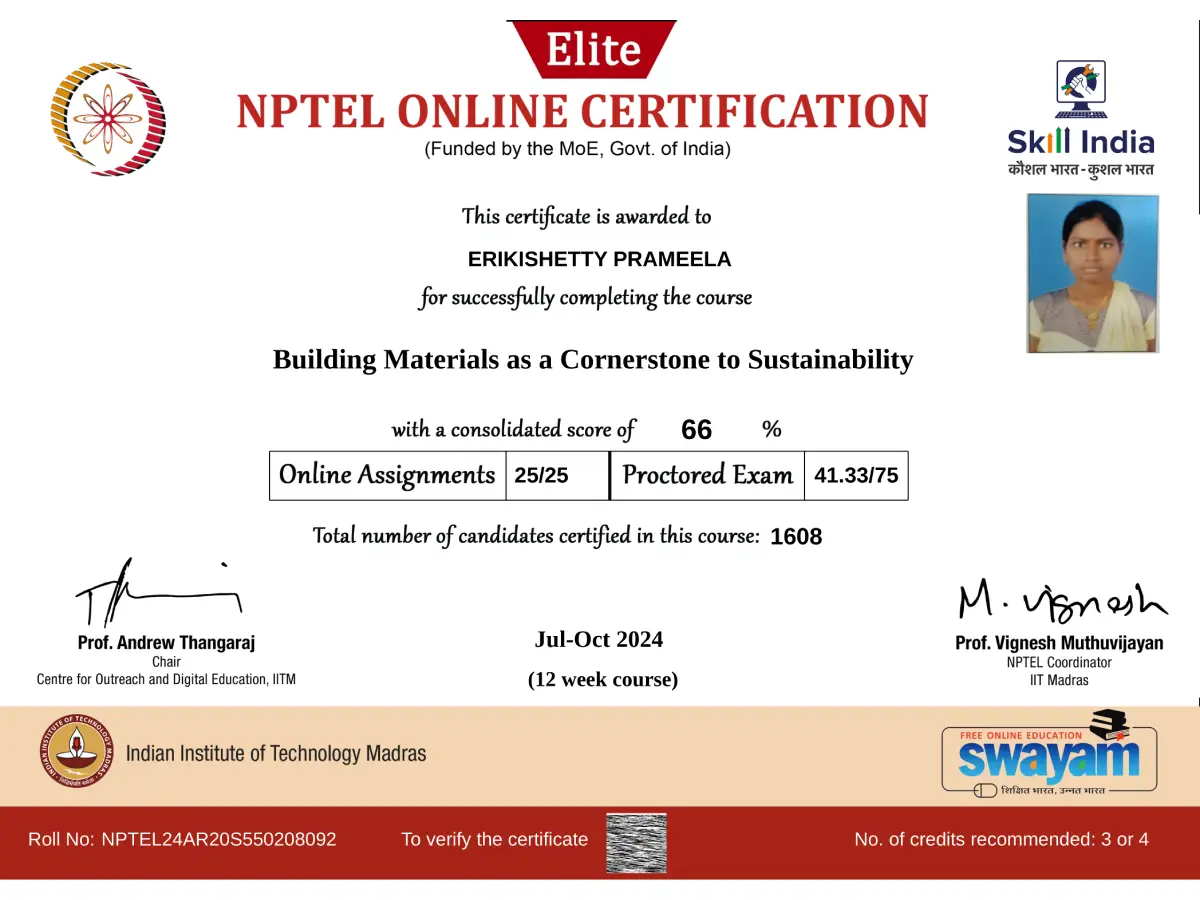
Participation in SWAYAM and other MOOCs is encouraged to complement classroom learning and promote self-paced and lifelong learning. These online courses provide flexibility in learning, allow learners to explore advanced and interdisciplinary topics, and offer access to high-quality academic content delivered by reputed institutions and subject experts. Such initiatives support independent learning and continuous professional development for both students and faculty.

Academic Projects

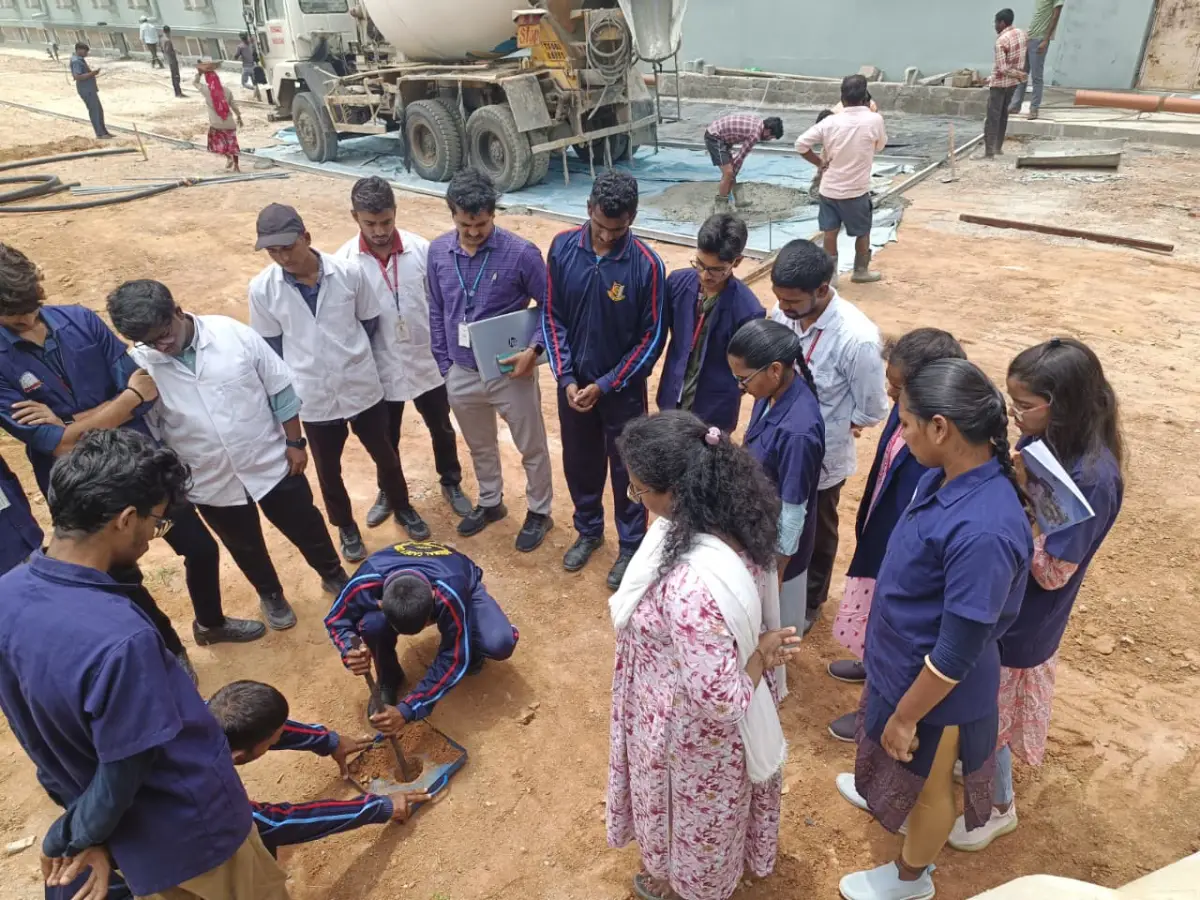
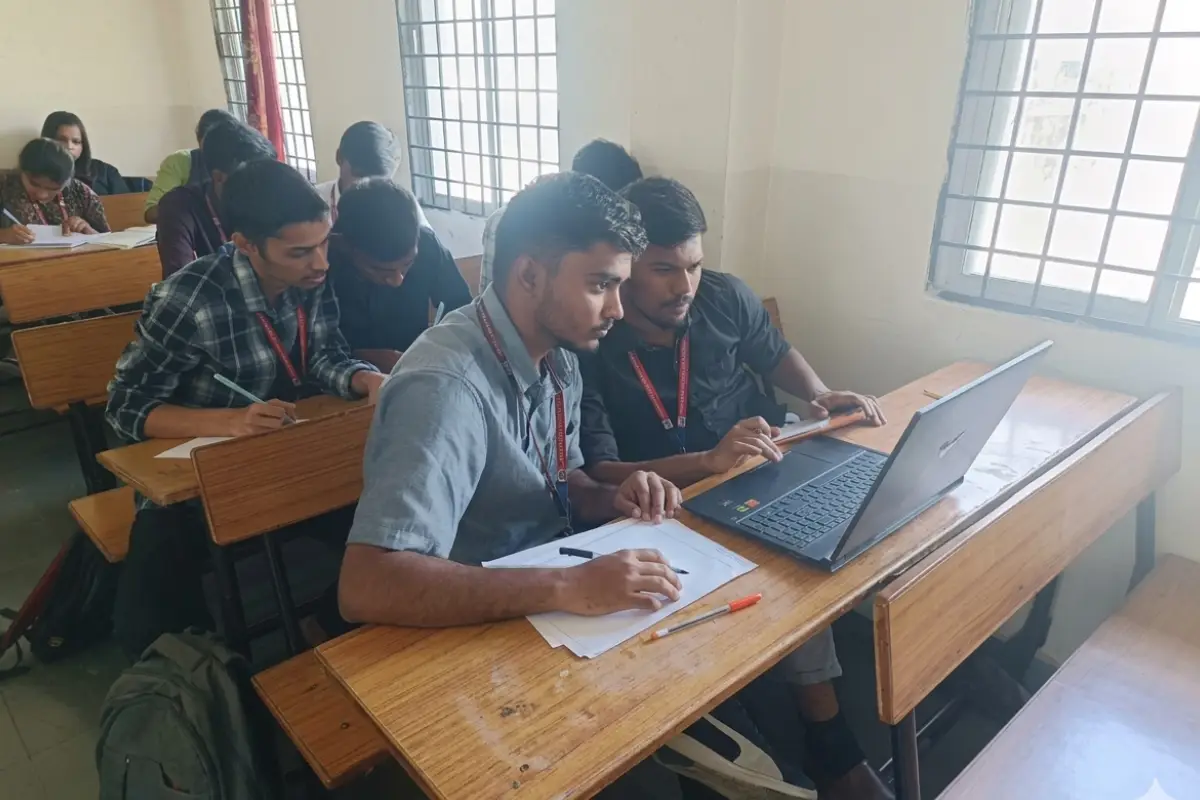
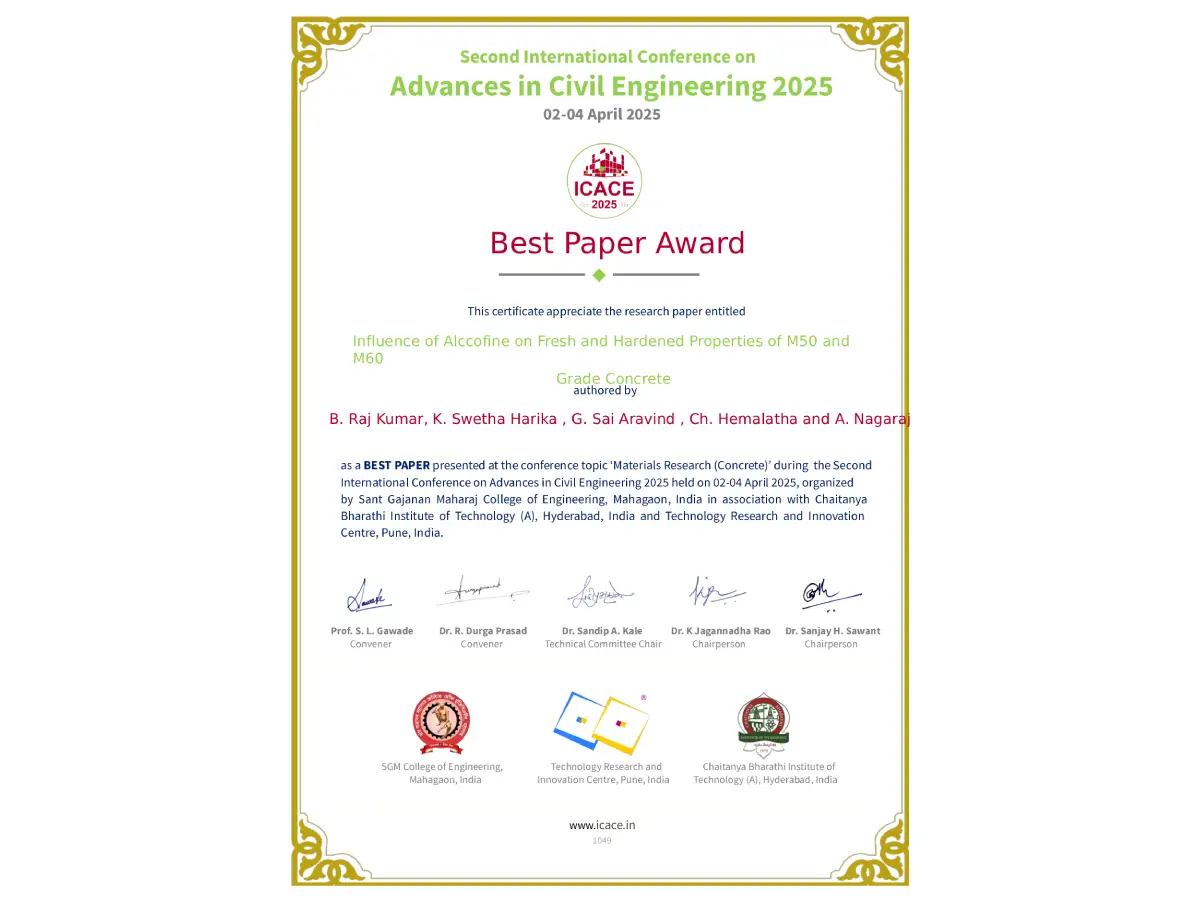
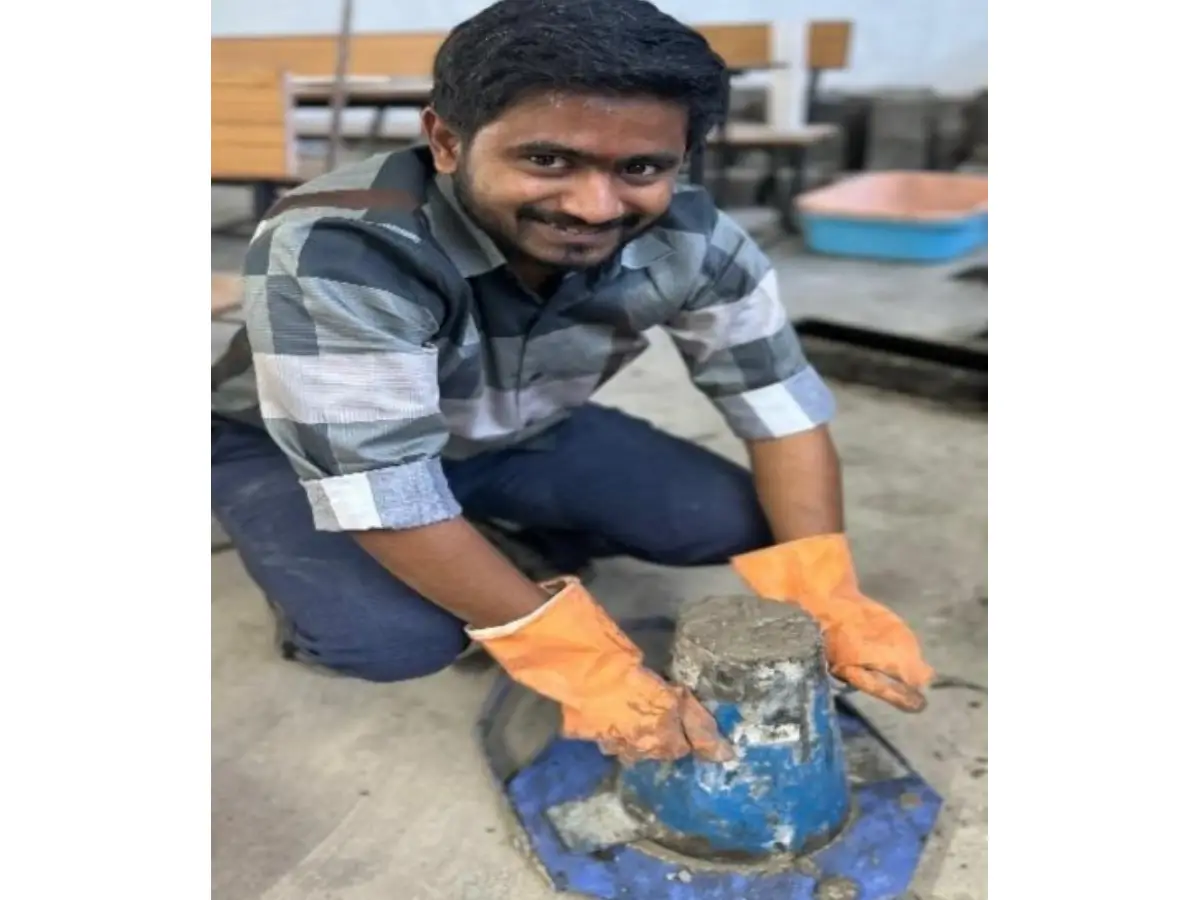
Academic projects form an integral part of the teaching–learning process and are undertaken at various stages of the program. Through structured project work, students apply theoretical concepts to practical engineering problems, gaining experiential learning opportunities. These projects foster innovation, teamwork, problem-solving abilities, and the development of technical and professional skills aligned with industry and societal needs.

Outcome Based Education (OBE)

Outcome Based Education (OBE) is implemented to align the teaching–learning process with clearly defined academic and professional outcomes. It emphasizes what students are expected to know, understand, and be able to perform upon completion of the program, focusing on competency development and application of knowledge.

Programme Educational Objectives (PEOs), Programme Outcomes (POs), Programme Specific Outcomes (PSOs), and Course Outcomes (COs) are systematically defined to guide curriculum planning, delivery, and assessment. Teaching strategies and evaluation methods are aligned with these outcomes, and attainment levels are periodically reviewed to support continuous improvement. The implementation of OBE is supported through a structured OBE manual and documented processes.

  • PEO1: Graduates will excel to make way to give solutions to real time problems through technical knowledge and operational skills in the field of Electrical Engineering
  • PEO2: Graduates will demonstrate their ability to acquaint with the ongoing trends in the field of Electrical Engineering to address the needs of the society.
  • PEO3: Graduates will communicate effectively as team players to cope with building a prospective career.
  • PEO4: Graduates of the program will act with Integrity and have inter-personal skills in catering the need-based requirements blended with ethics and professionalism.
  • WK1: A systematic, theory-based understanding of the natural sciences applicable to the discipline and awareness of relevant social sciences.
  • WK2: Conceptually-based mathematics, numerical analysis, data analysis, statistics and formal aspects of computer and information science to support detailed analysis and modelling applicable to the discipline.
  • WK3: A systematic, theory-based formulation of engineering fundamentals required in the engineering discipline.
  • WK4: Engineering specialist knowledge that provides theoretical frameworks and bodies of knowledge for the accepted practice areas in the engineering discipline; much is at the forefront of the discipline.
  • WK5: Knowledge, including efficient resource use, environmental impacts, whole-life cost, reuse of resources, net zero carbon, and similar concepts, that supports engineering design and operations in a practice area.
  • WK6: Knowledge of engineering practice (technology) in the practice areas in the engineering discipline.
  • WK7: Knowledge of the role of engineering in society and identified issues in engineering practice in the discipline, such as the professional responsibility of an engineer to public safety and sustainable development.
  • WK8: Engagement with selected knowledge in the current research literature of the discipline, awareness of the power of critical thinking and creative approaches to evaluate emerging issues.
  • WK9: Ethics, inclusive behavior and conduct. Knowledge of professional ethics, responsibilities, and norms of engineering practice. Awareness of the need for diversity by reason of ethnicity, gender, age, physical ability etc. with mutual understanding and respect, and of inclusive attitudes.
  • PO1: Engineering Knowledge: Apply knowledge of mathematics, natural science, computing, engineering fundamentals and an engineering specialization as specified in WK1 to WK4 respectively to develop to the solution of complex engineering problems.
  • PO2: Problem Analysis: Identify, formulate, review research literature and analyze complex engineering problems reaching substantiated conclusions with consideration for sustainable development.
  • PO3: Design/Development of Solutions: Design creative solutions for complex engineering problems and design/develop systems/components/processes to meet identified needs with consideration for the public health and safety, whole-life cost, net zero carbon, culture, society and environment as required.
  • PO4: Conduct Investigations of Complex Problems: Conduct investigations of complex engineering problems using research-based knowledge including design of experiments, modelling, analysis & interpretation of data to provide valid conclusions.
  • PO5: Engineering Tool Usage: Create, select and apply appropriate techniques, resources and modern engineering & IT tools, including prediction and modelling recognizing their limitations to solve complex engineering problems.
  • PO6: The Engineer and The World: Analyze and evaluate societal and environmental aspects while solving complex engineering problems for its impact on sustainability with reference to economy, health, safety, legal framework, culture and environment.
  • PO7: Ethics: Apply ethical principles and commit to professional ethics, human values, diversity and inclusion; adhere to national & international laws.
  • PO8: Individual and Collaborative Team work: Function effectively as an individual, and as a member or leader in diverse/multi-disciplinary teams.
  • PO9: Communication: Communicate effectively and inclusively within the engineering community and society at large, such as being able to comprehend and write effective reports and design documentation, make effective presentations considering cultural, language, and learning differences
  • PO10: Project Management and Finance: Apply knowledge and understanding of engineering management principles and economic decision-making and apply these to one’s own work, as a member and leader in a team, and to manage projects and in multidisciplinary environments.
  • PO11: Life-Long Learning: Recognize the need for, and have the preparation and ability for i) independent and life-long learning ii) adaptability to new and emerging technologies and iii) critical thinking in the broadest context of technological change.
  • PSO1: Conceptualize complex electrical and electronics systems, employ control strategies for power electronics related applications to prioritize societal requirements.
  • PSO2: Design, analyze and create energy efficient and eco-friendly power & energy systems.
  • Course Outcomes are defined for every course offered in the program.
  • COs describe what students are expected to know and be able to do at the end of each course.
  • Each CO is mapped with relevant Programme Outcomes (POs) and Programme Specific Outcomes (PSOs).
  • CO attainment is evaluated using direct and indirect assessment methods.

The OBE Manual documents the policies, procedures, and methodologies adopted by the department for implementation of Outcome Based Education.

  • Outcome formulation and mapping procedures
  • Assessment and evaluation methods
  • CO–PO–PSO mapping methodology
  • Attainment calculation and review process
  • Continuous improvement mechanism